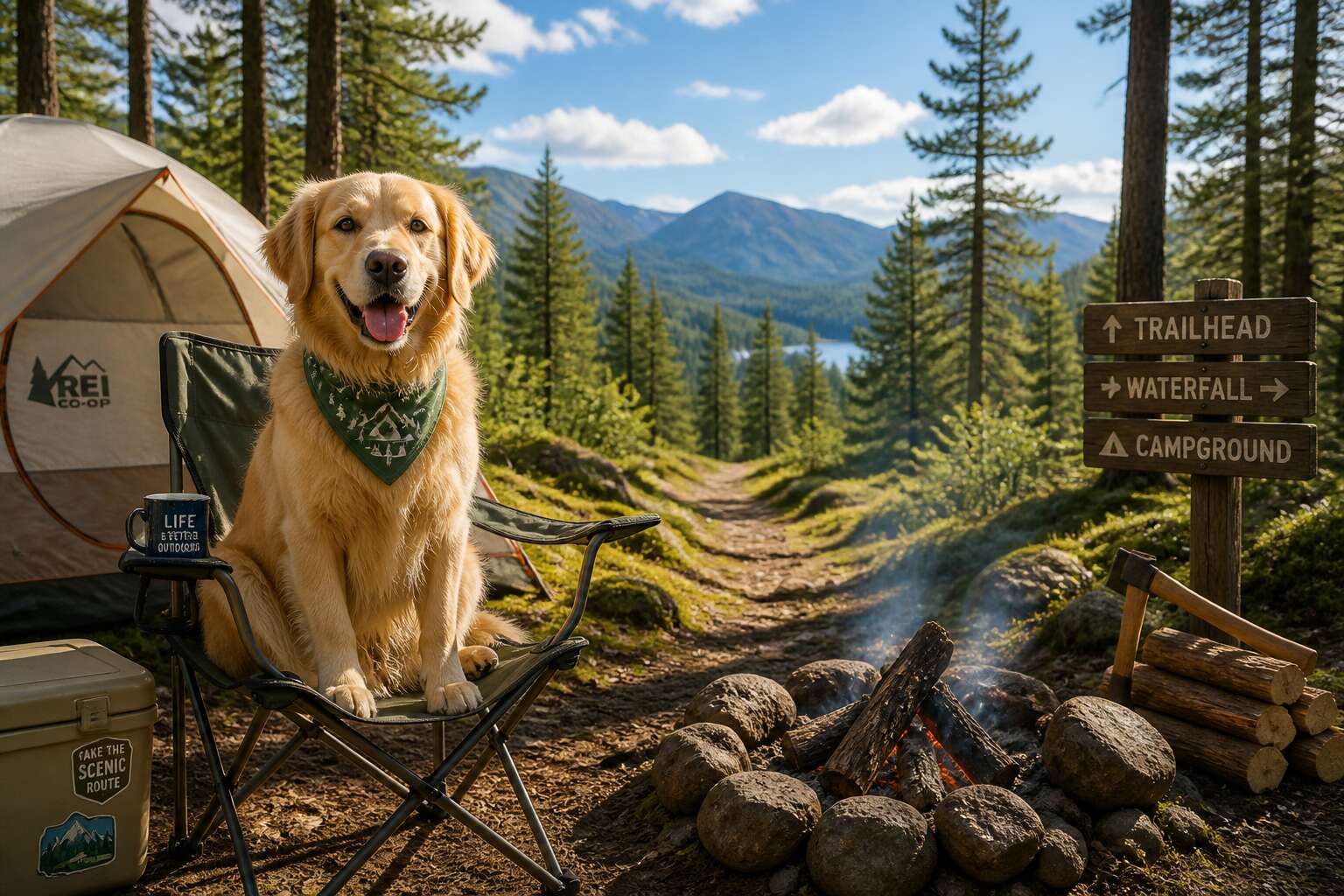
Why Dog-Friendly Campgrounds Are a Must for Pet Owners
The Growing Demand for Pet-Inclusive Travel
Nearly 70% of South African pet owners now take their dogs on holiday, yet finding suitable accommodation remains a struggle. Dog owners refuse to leave companions behind at kennels. They want shared experiences, and campgrounds that allow dogs provide exactly that.
The demand for pet inclusive travel has surged across the country. Caravan parks and bush camps that once banned animals now see the commercial value in welcoming them. Travelers actively search for spaces where dogs can run free, swim in rivers, and sleep beside the tent. The proof sits in full booking calendars every school holiday!
Consider what these campgrounds offer:
- Fenced campsites for off leash safety
- Water points and shaded rest areas for pets
- Clear pet rules that keep everyone comfortable
This movement reshapes how South Africans plan weekends. A trip to the Kruger or the Garden Route no longer forces a choice between family and four legged companions. Campgrounds that allow dogs have become the deciding factor for millions.
Benefits of Camping with Your Dog
The sight of a dog, ears flapping in the wind as it hangs its head out of a car window, is the true prelude to a South African adventure. For us, a trip isn’t complete until our canine companion has sampled the dust and the grass of a new terrain. Choosing campgrounds that allow dogs transforms a simple holiday into a shared expedition, where the pack travels together.
There is a profound difference between leaving a friend at a kennel and watching them discover the scents of the Drakensberg. The benefits are immediate and visceral for both parties.
- Dogs experience reduced anxiety when they remain with their human family, avoiding the stress of separation.
- Owners feel a sense of relief knowing their pet is safe, happy, and physically active, rather than confined.
- The shared adventure naturally deepens the bond between owner and pet, creating a powerful sense of unity.
For the owner, these campgrounds that allow dogs offer a reprieve from guilt. You can hike the trails without the logistical headache of pet sitters, and you trade a sterile hotel room for the earthy comfort of a canvas tent with a wet nose nudging you awake. This is the essence of a holiday, where the entire family participates in the memory making.
Ultimately, the decision to stay at a pet friendly site elevates the trip from a mere sightseeing tour into a communal experience. The dog is not just a passenger; it is a vital part of the journey. This is why the search for campgrounds that allow dogs has become so central to modern travel plans. We are not just looking for a place to sleep; we are looking for a place to belong together, under the vast African sky.
How Dog-Friendly Campgrounds Enhance the Experience
Over half of South African pet owners alter their holiday plans for their dogs. Campgrounds that allow dogs solve this logistical puzzle before the wheels leave the driveway! No kennel guilt, no pet sitter fees.
These spaces operate differently from standard sites. They understand that a dog requires room to roam, a place to swim, and a boundary that keeps them safe. This is why dog-friendly campgrounds are a must for pet owners.
- Designated off-leash areas for exercise
- Fenced perimeters that prevent wandering
- Access to fresh water for hydration
A campground that welcomes dogs enhances the experience by removing friction. I arrive, pitch my tent, and release my companion into the open air. I hear the pad of paws on gravel, the sniff of a new bush. Campgrounds that allow dogs turn an overnight stop into a basecamp for mutual exploration.
What Makes a Campground Truly Dog-Friendly?
For many South African pet owners, a holiday without their dog feels incomplete. The search for suitable accommodation often ends in compromise. Dog-friendly sites remove that compromise entirely. They offer a rare combination of freedom and safety.
What makes a site truly dog-friendly? It goes beyond a simple welcome sign. A genuine dog-friendly campground accounts for canine instincts. It provides room to run, boundaries that hold, and water that is always within reach.
- Fenced perimeters that prevent wandering
- Designated off-leash zones with natural shade
- Fresh water stations positioned across the site
These features are not extras. They are essential to a safe and enjoyable stay. For South African pet owners, campgrounds that allow dogs with these provisions turn a simple camping trip into an experience both dog and owner look forward to.
Key Amenities and Facilities to Look For
Fenced Off-Leash Areas and Dog Parks
When scouting campgrounds that allow dogs, the fence makes the difference. Secure boundaries matter more than open space. A proper off-leash area requires double-gated entry points to prevent escapes. Many sites now include dog parks with agility equipment and shaded rest zones. For your own checklist, consider these features:
1. Fenced perimeter at least four feet high.
2. Separate sections for large and small breeds.
3. Waste bag dispensers and trash bins.
4. Water stations within the enclosure.
These elements reduce stress for you and your pet. A well-designed park lets your dog run safely while you relax at the campsite. Prioritize campgrounds that allow dogs with these amenities, and your trip becomes easier.
Pet Waste Stations and Cleanup Supplies
Campgrounds that allow dogs are currently experiencing a surge in popularity, with almost a third of South African pet owners now planning their getaways around their four-legged family members. However, one constant challenge remains: waste management. During a recent trip to the wild Cape coast, I noticed a tired hiker searching for a bin for a kilometre in the sweltering heat. It was not a pretty sight, and it made me think deeply about what separates an average campsite from a truly practical one.
Pet waste stations and cleanup supplies are the unsung highpoints of any successful caravan trip. A single bin near the main sluits gate simply does not suffice for a weekend of extended walks through the sand. The reliable facilities I look for are those mounted at regular intervals along the main pathways and concentrated around popular leash-off spots.
For example, an efficient station boasts a convenient bag dispenser with a sealed lid to protect the rolls from wild weather and curious stout hands. A secured, waist-level bin with a swing-latch lid prevents unwanted particles, while a tough and water-proof mat beneath the station catches splatter and keeps the environment pristine.
- An independent supply of biologically degradable bag horologies per site, roughly two rolls per booking.
- A dedicated cleaning inventory including scented, outdoor-safe disinfect alcohol and paper towels.
- Clearly labelled, ubiquitous blueprints showing pet owners precisely where the next station lies.
First hand, campsites that prioritize these cleaning essentials signal a thoughtful affinity for pet owners. The perception changes instantly when a place respects the daily baseline of care. It makes the site feel safer, more manageable, and it allows everyone to shift focus to the luxuries of an off-leash holiday, without the messy logistics of carrying a used bag across half the park. That, in itself, piece of mind.
Water Access for Dogs
Water transforms a campsite from a mere patch of ground into a sanctuary. For those travelling with a canine companion, the presence of clean, accessible water is not a luxury; it is the bedrock of a successful trip. The arid expanses of the Karoo or the humid coastlines of KwaZulu-Natal present distinct challenges, and the best campgrounds that allow dogs anticipate these needs with a level of foresight that speaks to their understanding of the environment.
A site that truly excels provides more than a single communal tap. Consider the placement of these stations and the thought behind them. A well-designed camp minimises the distance between your tent and a clean water source, reducing dehydration risks during the scorching midday heat. The infrastructure itself matters too. A robust, hands-free lever or a foot pedal prevents the spread of disease and keeps your own hands clean, a small detail that carries significant weight when you are living outdoors.
Safety considerations extend beyond simple hydration. Scrutinise the water features themselves. A slow-moving stream or a farm dam on the property can be a magnet for a curious dog, but also a host for bilharzia or blue-green algae, which are fatal if ingested. The most responsible establishments clearly demarcate these hazards or provide safe, alternative swimming spots. The presence of a designated dog wash station, with a non-slip surface and a hose, is another sign of a superior operation. It allows you to rinse off mud and salt before your dog re-enters your accommodation, preserving both your sleeping space and the integrity of the shared facilities.
Finally, consider the rhythm of the day. The most thoughtful campgrounds that allow dogs position their water points to serve the morning routine and the evening wind-down. A central hub that combines fresh drinking water, a place to fill your kettle, and a shaded bench creates a social gathering point for pet owners. It facilitates a sense of community, where the quiet exchange of trail advice and the supervision of playful pups happens naturally. This thoughtful layout, this orchestration of a basic necessity, is what elevates a simple stay into an invigorating retreat for both you and your four-legged explorer.
Veterinary Services Nearby
The unsettling truth about the wild is that it does not care about your plans. A snake bite, a broken pad, a bout of malignant heatstroke, these things do not consult your itinerary. When you are scouting for campgrounds that allow dogs, the proximity of a competent veterinarian should be a non-negotiable pillar of your selection, not an afterthought. I have seen too many trips derailed by a two hour drive to the nearest clinic. The best operations understand this, and they actively mitigate the risk. They do not just tolerate your dog; they create a safety net around them.
You should not be shy about asking specific questions before you book. A responsible owner needs to know if the camp manager has a direct line to a local vet or if they have a protocol for emergencies. Look for establishments that advertise their relationship with nearby animal hospitals, sometimes even posting the contact details at the reception. This is a clear indicator that they have considered the worst case scenario, so you do not have to. It is a quiet form of insurance that allows you to relax.
However, the practicalities require a deeper inspection. Consider the timing of these services. A vet that closes at 5 PM on a Friday is of little use if your dog gets into a scuffle with a porcupine at dusk. When evaluating campgrounds that allow dogs, check for the availability of a 24 hour animal hospital or an on-call practitioner within a reasonable radius. Furthermore, consider the specialisations that might be relevant to the specific biome you are entering, such as expertise in tick borne diseases or envenomation.
To properly gauge the safety of your chosen site, scrutinize these factors:
– The exact distance and drive time to the nearest veterinary clinic.
– Whether the camp has a dedicated procedure for medical emergencies.
– If they keep a well stocked, canine specific first aid kit on the premises.
The more I travel South Africa with a dog, the more I value preparation over improvisation. A campground that openly shares this information, without hesitation, signals a level of professionalism that translates into every other aspect of the stay. It is the invisible infrastructure of a good trip, the peace of mind you buy before you even pitch your tent. Indeed, the very best scenery is only enjoyable when you are not worried about the vulnerability of your four legged companion.
Pet-Friendly Trails and Beaches
Nothing exposes a poorly planned holiday quite like a dog that has run out of places to explore. The best campgrounds that allow dogs treat their surrounding landscape as part of the offering. They have mapped walking routes that suit a terrier’s ambition and a greyhound’s need for a proper gallop. These trails are not afterthoughts; they are graded and marked.
Beaches require equal scrutiny. A stretch of sand that looks inviting may be closed to dogs in high season. Serious establishments will tell you which coves are open, and they will hand you the tide table with your key. Look for wash-down points for sandy paws and shaded rest areas.
- Trail maps at reception
- Designated dog beach zones
- Freshwater rinse stations
When you find campgrounds that allow dogs, trail and beach facilities signal that management has considered the full day, not just the night’s sleep.
Popular Dog-Friendly Campgrounds by Region
East Coast Favorites
The eastern shoreline of South Africa provides numerous options for travelers with dogs. From St Lucia to the Umzimkulu River, campgrounds that allow dogs give you direct access to beaches and coastal forests. We have stayed at several of these sites and watched our dogs settle easily near the campfire.
A few favorites stand out for their practical layouts:
- Mapelane Nature Reserve, where sites sit close to the estuary.
- Kingfisher Camp in Port Edward, with spacious plots and shade.
- Riverbend Park near Scottburgh, perfect for long morning walks.
Each spot balances wild scenery with essential amenities. Book early in peak season, as these campgrounds attract many regular visitors.
West Coast Gems
The Atlantic coast carries a different sort of wildness. Here, the wind shapes everything, from the bent shore pines to the rhythm of the days themselves. We have found that the campgrounds that allow dogs along this stretch are fewer, but they reward those who make the journey with a profound sense of solitude.
One particular site north of the Berg River remains etched in memory. Our dogs took to the salt-scoured paths immediately, their noses working the air thick with iodine and kelp. The pitches are sandy and uneven, so bring sturdy pegs. On-site amenities are basic, which is precisely the point.
For those seeking a touch more structure, the lagoon campsites near Langebaan offer a different atmosphere:
– Sheltered pitches that break the prevailing wind.
– Direct access to tidal flats for long, restorative walks.
– A quiet rule of respect for the nesting birds that share the space.
The sunsets here carry an austere beauty. Firelight against the granite of the Cape granite boulders feels ancient. The dogs settle closer, drawn to the warmth, and the silence is complete. These campgrounds that allow dogs are not for everyone. They demand a tolerance for dust and weather. For those undeterred, they offer a primitive connection that the lush eastern shores cannot replicate. We have spent many an evening here, wrapped in thick jerseys, listening to the distant crash of the breakers.
Mountain Retreats
The mountains are a different contract. Above the treeline, the air thins and the rules change. We have found campgrounds that allow dogs in the Drakensberg that ask for more from both of you. The climbs are steep, the weather turns without warning, and the reward is a view that erases all prior effort.
Here, the dogs learn to pace themselves. They move from shadow to shadow, ears tuned to the rustle of unseen things. Most sites sit near streams, so bring a filtering bottle and a towel you don’t care about.
- High-altitude pitches that stay cool even in summer.
- Trails that lead to hidden gullies and old San rock art.
- Nights so dark the stars press down like a weight.
These are raw campgrounds that allow dogs and little else. They demand preparation and a quiet confidence. If you and your dog can meet that standard, the mountains will hold you accountable, and they will hold you safe.
Southern Escapes
The southern coast offers a different kind of magic. Here, campgrounds that allow dogs sit between the fynbos and the sea, where the salt air carries the calls of gulls and the distant crash of waves. This is not the rawness of the mountains. It is a softer, more forgiving landscape.
In the Western Cape, the shoulder seasons are the secret. Autumn and spring bring empty beaches and mild winds. The milkwoods provide shade, and the ocean acts as a natural bath for a tired dog. The sand is a great equalizer; it is hard to be reserved when your companion is chasing the tide.
What to pack for the southern camps:
– A long lead for the beach patrol
– A spike collar for the rocky paths
– A brush for the burrs and beachgrass
The evenings lean toward community here. Campers gather around shared fire pits, and the dogs collect at the center of the circle, a society of their own making. These campgrounds that allow dogs are not just places to sleep. They are havens where the rhythm of the tides sets the schedule, and the only obligation is to watch the horizon with your dog.
Essential Packing List for Your Dog’s Camping Trip
Must-Have Gear for Comfort and Safety
Packing for a wilderness escape with your canine companion requires more foresight than tossing a bowl in a duffel. The unspoken promise of a trip to campgrounds that allow dogs is that you have prepared for every snuffle, splash, and sudden downpour. Comfort begins with the essentials, but safety demands a deeper look at your dog’s specific needs, not just a generic checklist from a blog.
Start with the ground beneath their paws. A durable, waterproof sleeping pad is non-negotiable, especially in the South African bushveld where the earth holds the chill of the night long after the sun has set. Pair this with a high-quality, collapsible bowl that won’t crack in the cold, and a dedicated water supply that is separate from your own drinking stash. Hydration is a constant concern, and managing it properly prevents a frantic search for a vet in an unfamiliar town.
Navigating the terrain of strange campgrounds that allow dogs can expose your companion to thorns, sharp rocks, and the occasional misplaced hook. A well-stocked first aid kit designed for canines should be within arm’s reach at all times, containing items you hope to never use but would be lost without. Consider the following for a comprehensive safety net:
– A roll of cohesive veterinary wrap for sprains or to hold a dressing in place.
– A pair of fine-tipped tweezers for porcupine quills or stubborn ticks.
– An antiseptic solution that is safe for licking, like dilute chlorhexidine.
– A compact, lightweight muzzle, simply to prepare for a stressful rescue scenario where even the gentlest dog might snap.
Beyond medical supplies, think about the psychological anchor of a familiar scent. An old t-shirt from home, placed inside their travel crate, can transform a strange, echoing tent into a den of security. This simple gesture of comfort does more for their stress levels than any expensive gadget. Their food, however, is where rigidity is required. Sudden dietary changes can cause digestive distress, a miserable experience for both of you, miles from modern conveniences. Pack more than you think you need, in an airtight container that will keep out ants and the opportunistic snouts of local wildlife.
When the day’s adventures are done, and the fire crackles down to embers, the leash you brought is more than a restraint. It is a lifeline in the dark, a tether to the familiar routine of a nightly walk. The entire ritual of attending to their tired paws and full belly is the quiet, poignant core of the journey. It is in these small, deliberate acts that you honor the fact that you have found a place that welcomes them, and you have shown up ready to shoulder the responsibility of that welcome. Returning home with a dog who is tired, healthy, and utterly content is the truest measure of your preparation, a silent testament to the care you took before you ever left the driveway.
Food and Water Essentials
Packing enough water for a multi day stay at campgrounds that allow dogs is a logistical puzzle that demands total honesty about your dog’s drinking habits. A 30 kilogram Boerboel in the Karoo sun will drain a container at an alarming rate, while a Jack Russell might surprise you with dainty sips. As a rule of thumb, allocate at least 250 millilitres per 10 kilograms of body weight per day for drinking alone, then double that figure to account for cooking, cleaning bowls, and emergency rinsing of a muddy paw. Ignore the lure of natural streams and rivers. Stagnant water in the bushveld carries bilharzia and other pathogens that can turn a joyful excursion into a costly veterinary emergency. Bring only the water you started with, and guard it fiercely.
Food storage requires a level of paranoia that city living never demands. Campgrounds that allow dogs are often situated in prime wildlife corridors, and the scent of kibble travels far beyond your tent zipper. Pack each meal in a separate sealed bag, then consolidate those bags inside a heavy duty, bear resistant container if you can find one locally. Everything goes into the boot of your vehicle at night, not the tent. Consider the temperature inside a closed car during a Highveld summer afternoon. Oils in dry food can turn rancid quickly, so buy a fresh, smaller bag right before departure instead of scraping the bottom of the pantry. The ritual of feeding becomes a precise operation. Measure portions before you leave home to avoid fiddling with scoops on a windy evening, and pack a small funnel to pour food back into a jar if your dog leaves half a meal. A poor appetite on the first night is normal. Do not panic, offer a handful of boiled chicken as a bland top dressing, and keep the routine unbroken each morning after.
Health and Hygiene Items
Before you load the car for campgrounds that allow dogs, gather health supplies your dog will actually need. Ticks in the South African bushveld are relentless, so pack a tick twister, fine tweezers, and a magnifying glass to spotthe little suckers. After every walk, check ears, armpits, and between toes. Pulling an engorged tick out of a squirming dog teaches you patience.
Your first aid kit should include dog-safe antiseptic wipes, wound gel, vet wrap, anda syringe without needle for flushing grit. For eye irritation, saline solution and cotton pads work well. Stomach upsets happen; add oral rehydration sachets from the vet. A quick list helps:
- Dog-safe sunscreen for noses and ear tips
- Paw balm for cracked pads
- Disposable gloves
- Tick remover aid first aid kit
Paw balm prevents sore feet after a day on rocky trails. Apply it each evening. These few items spare you a long drive to a vet. Let your dog enjoy the veld without camping trip woes.
Entertainment and Training Tools
Dusk at a campsite brings strange rustles. Even at campgrounds that allow dogs, your companion may fixate on every whisper. A chew toy, a knotted rope, and a puzzle feeder can redirect that focus. I always pack a favourite toy from home, one carrying familiar scents.
For training, a clicker and a pocket of treats work. Reinforce basic commands before sunset, when distractions fade. A biothane leash gives freedom without control issues.
- A tug toy for short bursts
- A mat to define a calm space
- A spare collar with your number
These tools turn a strange forest into a place of play and trust.
Emergency Preparedness for Pets
Every trip to campgrounds that allow dogs begins with a checklist. I tape mine to the inside of the door. A spare harness, a towel, the familiar blanket. The list is a promise that nothing important gets left behind.
For emergency preparedness, I assemble a separate kit. It holds a printed snapshot of my dog, a list of medicines, and the nearest veterinarian’s contact number. Add these:
- A muzzle that fits loosely
- Styptic powder for trimmed nails
- An emergency whistle
- A printed copy of your pet insurance
That kit sits beside the first aid pouch. When the campfire pops and shadows stretch, you can rest easy.
Local Regulations and Documentation
The first rule of travelling to campgrounds that allow dogs is to pack the paperwork before the treats. In South Africa, your dog’s rabies certificate is not a suggestion, it is a border control requirement for most provinces. Keep a laminated copy inside your vehicle’s sun visor. I also carry a folder with proof of deworming and a letter from my vet confirming my dog’s microchip number.
Local regulations vary between municipal campsites and private reserves. Some coastal campgrounds require an additional permit for pets during peak season. Others restrict certain breeds, oddly enough. Check the park’s by-laws online before you load the boot. For your packing list, include a collapsible water container and a reflective vest for evening walks, but treat the paperwork as the non negotiable item.
- Rabies vaccination certificate
- Microchip registration details
- Specific campsite permit
Without these, even the most welcoming campgrounds that allow dogs can turn your weekend into a bureaucratic maze.
Top Tips for a Successful Camping Experience with Your Dog
Acclimating Your Dog to the Outdoors
A dog receives a new place through the air, long before the eyes make sense of the scene. When our border collie first stepped into campgrounds that allow dogs in the Karoo, he treated that open ground like a page written in a language he had not yet deciphered.
He circled the perimeter, nose sweeping loose dust. Then he settled under the table, ears still pinned to the wind. It was not until the second morning that his breathing evened out. The bark at distant ravens faded. The walk found the same rhythm as the earth. The shifts were small, but they were unmistakable.
- A tail that stopped nodding at every sound.
- A sleeping spot chosen away from the tent flap.
- An eye that watched the sun instead of the shadows.
When a dog finally exhales into campgrounds that allow dogs, the body slows down and belongs there. That ease is the quiet reward.
Managing Leash and Recall Training
A campsite presents a visual smorgasbord for a dog, but the true test lies in the leash and the voice. In campgrounds that allow dogs, the leash is a contract, not a restriction. It signals to other campers and their pets that you respect the shared space. A taut lead creates tension; a slack one invites curiosity.
Recall is a conversation, not a command. When you call your dog back from a distant scent, you are asking for a favour. Reward that compliance with a high value treat, not just a pat. The practice must happen on the trail, away from the dinner table and the fire pit. A reliable recall ensures your dog never becomes that campsite nuisance.
– Practice recall in low distraction zones first
– Use a long line to simulate freedom without the risk
– Reinforce the “watch me” cue before entering high traffic areas
The discipline of the leash and the reliability of the recall combine to create a peaceful loop. A dog that returns on the first call earns its off leash time. In campgrounds that allow dogs, that earned trust is the currency of a pleasant stay. The result is a holiday where the only raised voice is your own, calling for another cup of coffee.
Keeping Your Dog Cool and Hydrated
South African heat turns a campsite into a test of attention. Your dog pants, tongue sweeping over dry lips. In campgrounds that allow dogs, the shade moves with the sun, and you must move with it. Offer water every twenty minutes, not when you remember. Add a pinch of salt to the bowl to replace lost electrolytes. Frozen treats inside a Kong keep a bored dog busy and cool. Pour water over the paws and belly; the evaporation does the work.
Watch for heavy drooling or a wobbling gait. Those are signals of overheating. Hydration is a practice, not an afterthought. When the heat peaks, find the longest shadow and let your dog collapse in it. The earth cools the body from below. Keep the water fresh, the bowl heavy so it won’t tip. Your presence is the best cooling system. Sit close, breathe slow, and let the day soften.
Dealing with Wildlife Encounters
A rustle in the bushveld, a shift of shadow, and your dog’s ears pivot like radar dishes. Wildlife encounters are part of the bargain at many campgrounds that allow dogs. The kudu may be curious, the mongoose bold, the warthog indifferent. Your job is to manage the space between your dog’s instinct and the animal’s reality. A calm voice and a short lead prevent most standoffs.
Do not let your dog give chase. A playful pursuit can turn into a defensive charge from a mother warthog or a kick from a zebra.
- Keep your dog on a leash at dusk and dawn, when animals are most active.
- Store all food and scented items in sealed containers, away from the sleeping area.
- Shine a torch into the periphery before letting your dog out at night.
The true test is your own stillness. If your dog stiffens, do not yank the lead. Hold steady, speak in a low tone, and back away slowly. The animal will almost always move on. You are a guest in this shared landscape, and the quiet respect you show its other inhabitants becomes a lesson your dog learns through your own behaviour.


0 Comments