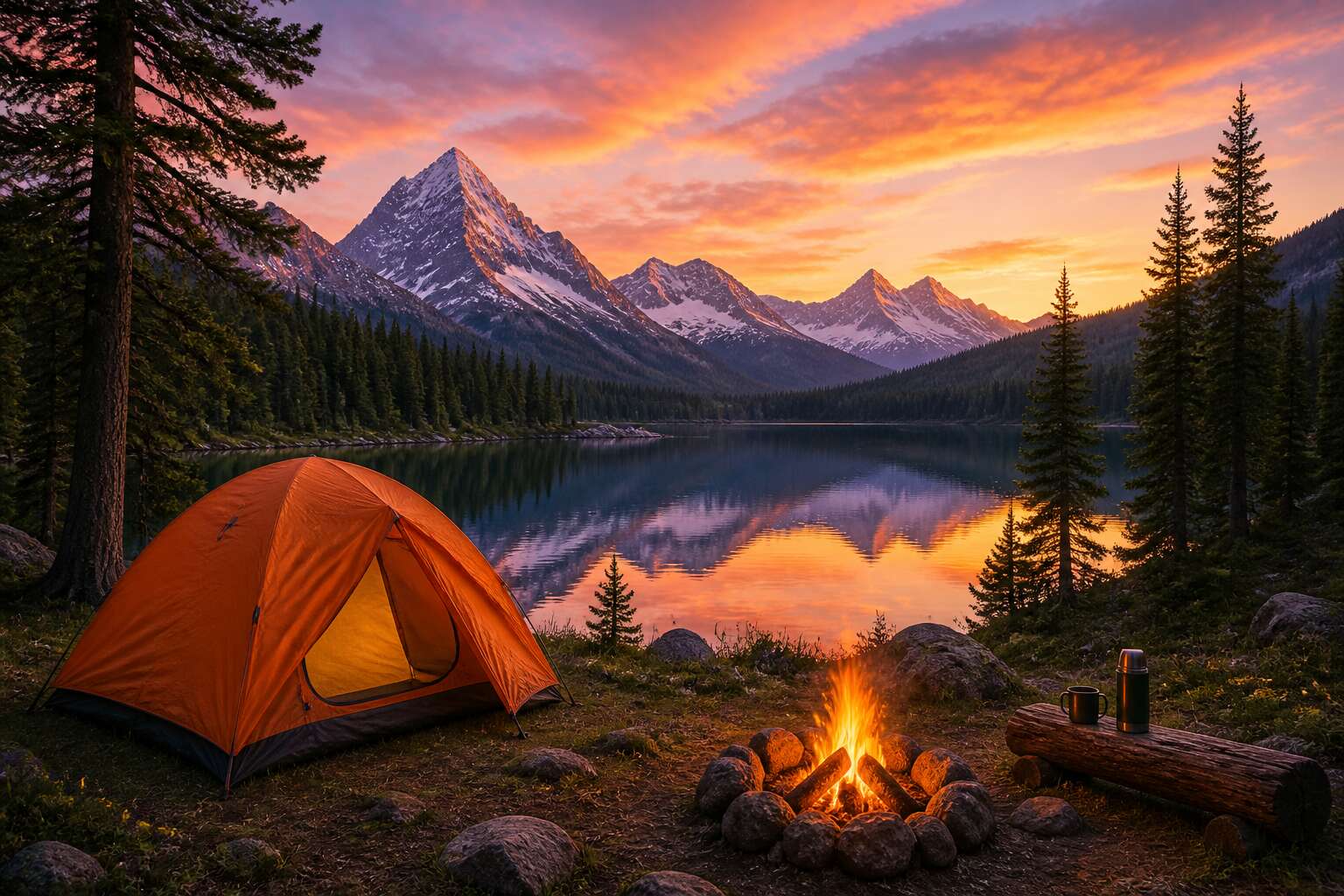
How to Identify a Top-Rated Campground
Key Features That Set Great Campgrounds Apart
Campground brochures promise ‘rustic charm’ and deliver collapsing tent pegs. I have learned that best campgrounds are quieter about their virtues. They do not need neon signs for clean ablutions! You feel it in the gravel. The pitch is level. The tap water tastes like water. These details determine a good night’s sleep.
Identifying a top-rated site requires patience and a skeptical eye. After countless nights under canvas, I run a silent checklist before committing my tent pegs:
1. Check the gradient. A slope invisible by day becomes a challenge at 2 a.m.
2. Locate the water point. Distance matters less than the journey’s topography.
3. Assess the fire pit’s char. Layered ash suggests many satisfied fires.
4. Read the guestbook. Look for complaint patterns, not isolated rants.
This unglamorous scrutiny separates contenders from pretenders. A site that survives it is likely one of the best campgrounds. That is how I ended up at Sani Pass. The ground was flat. The stars were loud.
Researching Online Reviews and Ratings
Online reviews are a peculiar genre. One star often means the kettle was slow, while five stars sometimes mean nothing at all. To find the best campgrounds, you must interpret the subtext. I look for specific complaints: drainage after rain, noisy generators, or a host who hovers. Patterns matter more than individual grievances. A single furious rant about a wasp nest is noise. Three separate mentions of a collapsing ablution block are a warning.
Useful signals to look for:
- Photos from the last month, not the last decade
- Comments from repeat visitors
- Replies from management that acknowledge faults with grace
Reviews are not truth, but they are excellent gossip. And gossip, in my experience, points toward the best campgrounds with surprising accuracy.
Considering Proximity to Scenic Attractions
Location governs the quality of any camping trip. A site may boast spotless showers and attentive wardens, but if the nearest vista is a highway off-ramp, the experience loses its texture. I measure a campground by what lies within a morning’s drive. The best campgrounds in South Africa sit near dramatic transitions of the landscape, where mountains give way to coastline or where the Karoo opens into canyon country.
Consider the practical geometry of your days:
– How far is the trailhead from your tent peg?
– Does the camp offer direct access to the river or does it require a shuttle?
– Are the viewpoints reachable before the midday heat?
These distances shape your entire rhythm. A top-rated campground respects your time by placing you within arm’s reach of the scenery that drew you there. The map is the true review.
Assessing Accessibility and Camping Options
Any camp can look good in a photograph. A top rated campground must survive the arrival. My first task is always to gauge the route in, because a gravel road that turns to mud after rain will redefine your holiday. I look for clear signage and a track that a standard sedan can handle, not just a tricked-out 4×4.
Accessibility also shapes the experience for everyone in your group. Check the gradient of the paths and the distance between the parking area and your pitch. A steep climb might be fine for some, but it can be a barrier for others. For the best campgrounds, access is a quiet assurance that you can move freely.
Once the vehicle is parked, the real assessment begins:
– Is the pitch level enough for a tent or caravan?
– Are water points close, and are they maintained?
– Do the facilities sit a sensible distance from the sleeping areas?
The layout of a camp dictates the atmosphere. Too many sites crammed together erode the sense of wilderness. A well spaced plot gives you privacy and a clear view of the sky. The best campgrounds use their land wisely, placing each party so you hear the river, not your neighbor’s radio. Look for demarcated areas that offer shade in summer and a windbreak for those blustery winter mornings. Also, check if there are alternative options, like rustic hike-in spots versus formal caravan stands, as this variety lets you choose your level of comfort. The ground itself matters, too. Sandy soil drains well, while clay holds water and mud. Walk the site before you commit, because the difference between a good and a great stay is often underfoot. Finally, consider the simple logistics of the place, like where you will store food and how close the nearest bin is, as these small details shape your daily flow.
Regional Gems for Your Next Camping Adventure
West Coast Wilderness Retreats
The West Coast of South Africa is a paradox: stark, windswept, and utterly bewitching. While many travelers race past this coastline toward Cape Town, those who linger find campsites that feel like a secret. I have spent nights on the edge of the Atlantic where the wind hummed through my tent, and the only light came from a million stars. The best campgrounds here are not luxurious; they are honest.
- Wind-battered dunes that shift with each tide
- Bird colonies that outnumber human residents
- Succulent-covered cliffs that smell of salt and earth
One retreat near Langebaan offers sheltered pitches between granite boulders, a rare commodity on this exposed shore. Another, further north, demands a four-by-four and a willingness to embrace solitude. For the discerning camper, the West Coast rewards patience with sunsets that turn from gold to crimson. That is a reward worth the sand in your boots!
Mountain Getaways in the Rockies
Mountain Getaways in the Rockies
The Rockies do not ease you into their presence. One moment you are driving through pine forest, the next you are staring at peaks that make your neck ache. I have camped at elevations where the air thins and the stars feel close. The best campgrounds in this range share a common trait: they sit where mountain light hits first.
Some sites hug glacial lakes with surfaces that reflect the cirques above. Others perch on moraines with views stretching into three states. A ranger once told me the bears here are less dangerous than the tourists who feed them.
- Book a site at higher altitude for cooler nights
- Store food in bear-proof lockers, not your tent
- Bring layers; mountain weather changes by the hour
The Rockies reward preparation with mornings that smell of pine and snowmelt.
East Coast Beachfront Camping
The Atlantic coast holds more than 200 public campgrounds between Maine and Florida, yet only a fraction sit within earshot of the surf. Tides dictate schedules, not clocks. At Cape Hatteras and Assateague Island, the ocean rearranges dunes overnight. I have woken to sand in my coffee and counted myself lucky!
The best campgrounds along this shoreline place you close enough to hear waves break from your tent. A few require ferry crossings, which keeps the crowds manageable and the shorebirds visible. Water temperatures vary dramatically from New England to the Carolinas, so research your target region before booking.
Evenings compress into violet light and salt haze. The horizon blurs, and the only signals beyond your lantern are the deep calls of gulls. You will not find mountain elevation here. You will find the raw patience of tides, a different kind of awe.
Southern Forest Havens
Southern forests are the overlooked option in the camping world. While everyone races to the coast, these shaded retreats offer a different escape. In the Garden Route, the canopy blocks the midday glare, and the air smells of damp bark and ferns. The best campgrounds here sit on the edge of ancient yellowwood groves, where the loudest noise is a Knysna loerie.
You will find leaf litter instead of sand, mossy trunks instead of ocean views. That works. Some options:
- Diepwalle Forest Camp, deep inside the Knysna forest.
- Storms River Mouth, where forest meets the rocky shoreline.
- Keurboomstrand, a short drive from the forest reserve.
Expect morning mist to roll through the trees and the occasional monkey inspecting your cooler. Bring a torch and a rain jacket. The forest rewards patience, not speed.
Midwestern Lakeside Camps
At the Gariep Dam, the horizon stretches into a shimmer of ochre and blue. Lakeside camping here trades the ocean roar for the gentle lap of fresh water. The best campgrounds on these inland shores sit in the shelter of koppies, where the wind must work harder to reach your tent.
I have found these to be the most reliable:
- Gariep Dam Nature Reserve campsite, with its expansive water views.
- Kwagga’s Camp on the Vaal Dam, where shallows invite a morning paddle.
- Sterkfontein Dam Reserve, which combines rolling hills with still water.
Bring your own shade and a warm jacket. The interior air cools sharply after sunset. You will hear hadedas, not seagulls. And honestly, the sunsets alone justify the drive!
Amenities That Elevate the Camping Experience
Modern Restroom and Shower Facilities
Camping loses its charm when you queue for a cold shower at dawn. The best campgrounds invest heavily in modern restroom and shower facilities, turning a daily necessity into a quiet luxury.
These spaces feature private stalls, hot water on demand, and proper ventilation. Some even provide hand soap and drying areas, which sounds simple but changes everything.
- Touchless taps and flush mechanisms
- Heated towel rails for chilly mornings
- Daily cleaning schedules with real attention to detail
After a long hike, stepping into a clean, warm shower restores your spirit. That level of care separates average sites from the truly exceptional ones.
On-Site Recreation and Entertainment
Guests often underestimate how much of their holiday unfolds inside camp boundaries. That oversight matters when comparing the best campgrounds. A site with dusty corners and nowhere to linger becomes a tiresome interlude between excursions.
The finest destinations offer a rotating calendar of amusements. Guided night walks reveal nocturnal creatures. Communal fire pits turn into spontaneous story circles where strangers trade tales over roasted mealies. Swimming pools rescue sweltering afternoons. I have watched friendships form over a shared competitive streak on the putting green.
- A shaded library corner for slow mornings
- Weekly quiz nights that draw the entire camp
- Bird hides positioned near waterholes
These offerings turn a simple patch of earth into a destination people revisit.
Pet-Friendly Perks
Most campers choose a site for its sunset, yet they return for the small courtesies. A well-placed laundry sink can rescue a family’s entire week. Hot water that arrives instantly and a braai grid that fits the grate become quiet luxuries. The best campgrounds in South Africa understand this. They install bike wash stations, herb gardens for guests to pinch from, and solar-powered phone charging posts. Pet-friendly perks matter equally:
- Fenced dog runs with shade sails
- Pet wash bays with warm water
- A list of trusted local vets
Dogs deserve a holiday too, and a campground that welcomes them properly earns loyal returns. Watching a border collie paddle through a designated pet beach while owners sip coffee at a shore-side bench? That is the detail that separates reliable favourites from unforgettable escapes.
Food Storage and Picnic Stations
A cooler that stays cold for three days is a victory. The best campgrounds know this, so they provide secure food storage lockers. These lockers keep your supplies safe from both rodents and the afternoon sun. This means you can buy fresh goods from a local farm stall without worrying about them spoiling by dinner.
Picnic stations add a layer of convenience that transforms a simple meal into a proper occasion. Look for sites that offer dedicated tables with braai height adjustments and windbreaks. A well-positioned station means you can cook and eat without packing up your entire camp setup. These facilities reduce the friction of daily life, allowing you to focus on the landscape rather than the logistics. The result is a unhurried breakfast or a lazy lunch that feels like a genuine escape.
Power Hookups for RVs
Arriving after a long drive, the hum of a generator is the last thing you want to hear. The best campgrounds understand this and offer proper power hookups for RVs. A 30 amp or 50 amp pedestal lets you run air conditioning, a fridge, and even a kettle for morning coffee. Without it, you ration battery power or listen to an engine idle all night.
Check the pedestal before you commit. Look for:
- Weatherproof covers
- Clean, labeled outlets
- Surge protection built in
These small details prevent a ruined evening. A site with reliable electricity gives you a warm interior, a charged phone, and no need to pack up for a quick errand. That quiet convenience turns a routine stop into one of those rare places you remember. It is the difference between surviving the night and waking up refreshed.
Wi-Fi and Connectivity
The average traveller spends 37 minutes a day trying to find a signal. Connectivity matters when you choose a campsite. A distant cell tower or a crowded public hotspot can turn a restful evening into a frustrating scavenger hunt. South African sites in the Cape Winelands or along the Garden Route install dedicated Wi-Fi repeaters near each stand. Some provide fibre-backed connections with download speeds above 50 Mbps.
Families juggling remote work or school assignments notice the difference immediately. You can stream a movie under the stars, upload photographs, or check weather alerts without driving to the nearest town. The best campgrounds treat bandwidth as a utility, not a luxury.
Quality sites signal commitment through small details:
- Log-in codes that do not expire
- Routers with visible signal strength indicators
- Backup data for load-shedding hours
Load shedding remains a reality in South Africa, and the best campgrounds prepare for it.
Seasonal Considerations for Campground Selection
Summer Crowds and Reservations
Nothing tests your resolve like the first Friday of December, when every gravel road leading to the best campgrounds becomes a procession of hopeful families. I have stood in those queues, watching the sun bake the asphalt while patience evaporates. Summer crowds do not merely inconvenience; they expose our collective longing for escape, a hunger that transforms serene landscapes into bustling villages of canvas and steel. Reservations become the only shield against disappointment, yet even they feel like a gamble against human error and overbooking.
The rhythm of peak season demands strategic thought:
– Book at least three months ahead for popular sites.
– Arrive midweek to avoid the Saturday surge.
– Expect noise until midnight, then silence before dawn.
These realities shape how you experience the wild. Without preparation, the best campgrounds become sources of stress rather than solace.
Spring Wildflower Viewing
Over 1,000 wildflower species erupt from the Namaqualand desert each spring, a spectacle that draws seasoned campers and novices alike. For those hunting the best campgrounds, this seasonal bloom dictates every choice of pitch and parking spot. The flowers peak between August and September, but microclimates shift the schedule without warning.
I have learned that timing is everything. A late cold snap delays the display, while an early heatwave wilts it before you arrive. Check regional flower forecasts two weeks ahead, choose sites near granite outcrops where succulents thrive, and pack a field guide rather than relying on your phone alone.
These details separate a memorable outing from a dusty lesson in disappointment. The best campgrounds offer more than level ground; they position you within walking distance of the richest displays. No reservation guarantees a perfect bloom, but a little research ensures you are not staring at a barren hillside.
Autumn Leaf-Peeping Escapes
Autumn in South Africa turns the Cape Winelands amber and crimson, while the Kruger Lowveld’s riverine forests drop their leaves in earnest. For campers chasing the season, the best campgrounds sit where the colour is concentrated, not scattered across a blank landscape.
The timing shifts every year. A wet March pushes the change later, while dry heat rushes it forward. Check arboretum reports and ask local conservation offices before booking. The Western Cape peaks between late April and early May, while the KwaZulu-Natal Midlands offers beech and maple stands that hold their colour well into May.
Binoculars help with the bird movement that follows the leaf turn, and a campsite near these pockets means your mornings start in the middle of the spectacle, not a long drive away.
Winter Camping for the Bold
Winter in South Africa is not a gentle season. The Cederberg drops below zero, the Karoo skies stay clear and brittle, and the Drakensberg passes can close with snow. Yet the best campgrounds in winter are not the ones with heated pools. They are the ones with north facing slopes, windbreaks, and a gas heated shower block. I have camped at the foot of the Berg when the ice on the tent zip was thick enough to need a knife. The silence was absolute. The stars were almost obscene. It is not a comfortable hobby, but it is a sharp one.
Altitude governs the cold. A site at 1,500 metres runs several degrees colder than the valley floor, and the wind finds every seam in your tent. The best campgrounds sit behind a ridge or a stand of pines, trading a sunset view for a still night. You can walk to the viewpoint. You cannot walk away from the wind at 3am, so choose the shelter. A solar geyser fails after two overcast days. A gas geyser does not. Check that detail before you book, because a cold shower in June is a mistake you will remember all year.
- Look for a shared kitchen shelter or dining hall for windy evenings.
- Confirm the water heating is gas or electric, not solar.
- Ask about firewood supply, many reserves have banned outside wood.
- Pack a sleeping bag rated for minus five, not plus ten.
Reservations are easy in winter. You will have the most remote campsites to yourself, and the animals are more active in the cool hours. The best campgrounds in the Northern Cape open their gates to scattering of wildflowers only by August, so the winter months are bare, quiet, and entirely yours. Bring a good headlamp. The nights are long, and the dark is complete.

0 Comments