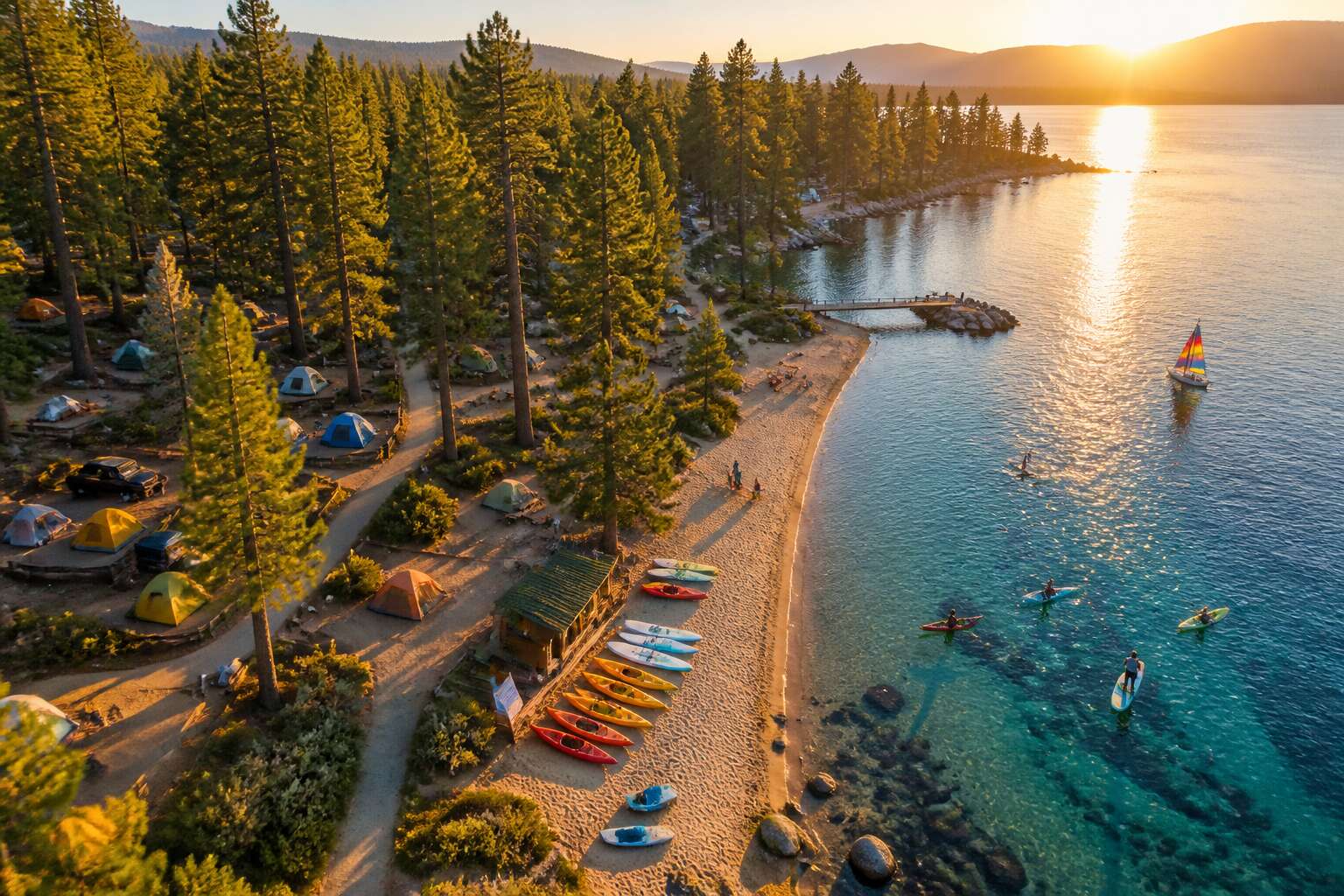
Choosing the Perfect Waterfront Campsite
Evaluating Water Depth and Current
When I scout a site near the water’s edge, I first read the current like a personality. A placid surface can conceal an undertow that tugs at your kayak. Depth shifts with season; a sandbar you waded across in January might be a deep channel by March. For campgrounds with easy access to water sports and beach activities, these variables decide whether your morning swim is a gentle glide or a fight.
Before you pitch your tent, wade in. Test the drop-off with your feet. Look for silt lines on the shore, they reveal the water’s height during storms. Consider the wind; it can turn a calm cove into a washing machine by afternoon.
- Check the slope: a gradual entry suits families, an abrupt drop for thrill seekers.
- Ask rangers about tidal ranges and underwater hazards.
I have learned to respect the difference between what a map promises and what the water delivers. A little reconnaissance saves you from a surprise current when you least expect one.
Beach Type: Sand, Pebble, or Rocky Shore
Sand is the easiest shoreline. It warms quickly, drains well, and lets you walk into the water without hesitation. Pebble shores require more care, but they hold heat longer and stay cleaner after a storm. Rocky coasts scare off the casual crowd, which makes them my quiet favourite.
- Sand: best for families and first-time paddlers
- Pebble: good for snorkelling and quick swims
- Rocky: ideal for experienced kayakers and divers
Campgrounds with easy access to water sports and beach activities rarely advertise the substrate. They should! The shore dictates your footwear, your launch strategy, and even where you can sit after sunset without collecting gravel in your shorts.
On-Site Amenities: Showers, Laundry, and Storage
Salt and sand have a way of finding every seam in your gear. After a day on the water, you need more than a cold tap and a prayer. The best campsites provide showers that actually strip the grit from your skin, laundry facilities that handle wet towels without judgment, and dry storage for the equipment you do not want to haul back to the tent.
Check for these details before you commit to a site:
- Covered drying lines for wetsuits and rash vests
- A rinse station for paddles, masks, and fins
- Lockable storage for kayaks or surfboards
Campgrounds with easy access to water sports and beach activities often overlook these practicalities, yet they shape your entire trip. A hot shower after a cold swim is not a luxury. It is the difference between a second day on the water and a miserable drive home. Storage matters too. If you can leave your launch gear in a secure spot overnight, you gain back precious morning light. That is the kind of convenience that turns a good weekend into a ritual you will repeat.
Campsite Accessibility for Trailers and RVs
Sliding a six metre caravan into a coastal reserve after a long tow is a particular kind of theatre. I have winced watching seasoned travellers attempt a three point turn on a sandy track while the tide crept in with malicious intent. The brochures promise seclusion, but the reality of Campgrounds with easy access to water sports and beach activities often involves a narrow gate, a blind corner, and a tree that has claimed more side mirrors than a Cape Town rush hour. Before you fall in love with a photograph of a lagoon, study the access route with the suspicion of a customs officer.
Look for turning circles that accommodate your rig’s full length, not just its optimistic measurements. A site may be perfectly level, but if the entry angle resembles a cliff face, you will be spending your weekend as a makeshift road engineer. Call ahead and ask about approach grades, overhanging branches, and the firmness of the last fifty metres. Many coastal campgrounds in South Africa sit on sand that turns to flour after a good rain. A two wheel drive bakkie towing a heavy trailer will discover this faster than a gull finds a chip packet. The sites themselves deserve equal scrutiny. A pitch that looks generous on a map can shrink alarmingly when you factor in your awning, your braai stand, and the neighbour’s Land Cruiser that has a personal grudge against your line. Prioritise level ground, adequate slab space, and a clear path to the water for your kayak trolley. For larger rigs, site positioning matters as much as size. You want a spot that allows you to launch without reversing for fifteen minutes while an audience of bemused fishermen observes your technique. Some parks offer designated pull through sites for trailers that want to avoid the reverse ballet entirely. That convenience is worth a premium. I have also learned to examine the durability of infrastructure. A tap that provides water with a trickle, a power point that hums ominously, or a dustbin that stands a lonely kilometre from your tent door, these details will define your trip more than the sunset. Check for services that cater to extended stays. A grey water disposal point, a dump station for your chemical toilet, and a solid, shaded site for your annexe, these are the quiet heroes of a comfortable waterfront stay. The best Campgrounds with easy access to water sports and beach activities understand that you arrive with a floating garage, and they provide accordingly. A little reconnaissance now saves you the indignity of becoming a local legend for all the wrong reasons. Choose wisely, and you will find a site that welcomes your rig with open arms, leaving you free to enjoy the water instead of wrestle with the parking.
Proximity to Marinas and Rentals
The finest Campgrounds with easy access to water sports and beach activities understand that your holiday should not begin with a logistics puzzle. A marina within walking distance transforms a morning from car trouble into a simple stroll across the sand. I have spent too many hours deflating a paddleboard because the rental shop was a forty minute drive away. Check whether the campsite offers a dedicated path to the launch area, or if you must cross a busy access road with your gear.
Rental operators near the waterfront often provide more than just boats. They know the local wind patterns, the safe channels, and the sandbanks that appear at low tide. A good operator will deliver equipment to your pitch for a small fee. Ask about:
- Kayak and paddleboard hire with no deposit surprises
- Fuel availability for ski boats and jet skis
- Secure overnight moorings for your own vessel
When the marina is a short walk away, you gain a basecamp that feels permanent. You can return to your tent for lunch, charge your electronics, and still catch the afternoon breeze. The right proximity turns a campsite into a true waterside hub.
Seasonal Water Levels and Tidal Patterns
Seasonal water levels shift the character of a shoreline with noticeable force. In South Africa, a campsite that offers a broad sandy shelf in summer may transform into a narrow, swift channel by autumn. Tidal ranges along the KwaZulu-Natal coast can exceed two metres, while the Western Cape sees more moderate swings. These variations determine where you can launch a kayak and when sandbanks become exposed for wading. Campgrounds with easy access to water sports and beach activities publish tide tables at their reception, but experienced paddlers check the lunar phases before they book.
On inland reservoirs, the pattern is tied to rainfall and dam releases. A site perfect for sailing in December might reveal a slippery mudflat in April. Ask the park manager about historical drawdown schedules.
- Observe the high water mark on trees and rocks
- Verify whether the launch ramp reaches the water at low season
- Ask about dam level variability across the year
This knowledge turns a simple booking into a calculated choice.
Top Lakefront Campgrounds for Paddling and Swimming
Paddling Havens with Calm Inland Waters
The stillness of a northern KwaZulu-Natal dam at dawn signals a perfect day for paddling. I have spent many unbroken hours learning each cove, where the water’s surface remains unruffled! For families, these spots offer safe swimming close to shore, with easy entry over smooth, sun-warmed stone.
Campgrounds with easy access to water sports and beach activities often cluster around these inland waters. A personal favorite is the upper reaches of Lake Gariep, where reed-lined coves protect novice kayakers from gusts. Such locations feel remote, yet they require no long boat run.
- Gariep Dam’s Orange River inlet
- Vanderkloof’s quieter western bank
- Rust de Winter’s northern bay
Each morning brings a new route across open water, inviting another leisurely crossing. For swimmers, these gentle inland bodies offer a lingering connection to the land, one that stays with you long after you pack your tent.
Family-Style Beaches with Shallow Swimming Areas
Lakefront campgrounds carve a niche for themselves along South Africa’s watery edges, drawing families who measure their holidays by the splash of a paddle. On the Vaal Dam’s upper stretches, grassed terraces slope into quiet inlets where the morning mist burns off by nine. I have watched children spend entire afternoons drifting on inflated floats, their parents rotating between braai duty and shallow-water supervision. These campgrounds with easy access to water sports and beach activities often sit on the leeward side of the dam, where the fetch remains short and the surface stays glassy.
The true art of choosing a lakefront spot lies in reading the shoreline’s gradual descent. Some South African favourites offer a mix of textures.
– Kwaggashoek’s grassy bank, where the drop-off stays gentle for meters
– The western edge of the Vaal, where a sand tongue extends into the current
– Bloemhof’s northern reach, offering firm, clay-packed wading areas
Nothing replaces the ease of stepping from your tent onto a beach where the bottom slides away slowly. Families find that the best days unfold when the water warms by midday, turning the shallows into a natural paddling pool for little legs. At Hartbeespoort Dam, the lakeside campsites allow you to drag a kayak directly onto the grass, no rocky scramble required. The reeded margins filter the water clear and shallow, giving swimmers that rare gift of seeing their feet while they float. For many, these lakefront havens define the entire holiday, where each evening ends with wet costumes hanging on the line and the promise of another gentle swim at dawn.
Eco-Lodges Offering Kayak and Paddleboard Rentals
“People book for the view, but they come back for the boats,” says the manager at Borakalalo’s lakeside camp, which holds two dozen paddleboards and a repair shed full of patched kayaks. That hands-on attitude defines the best eco-lodges with water access. At Sterkfontein Dam, the floating camp keeps sit-on-top kayaks tethered to each private deck. You slide one out at first light, paddle to the bird hides, and leave the board for an afternoon session.
What separates a useful rental operation from a token one is honest equipment and a proper briefing. The best managers spend ten minutes explaining wind lines, shallow bars, and drop-off zones. They fit life jackets properly and rinse the decks after every tide. Campgrounds with easy access to water sports and beach activities often include rental fees in the nightly tariff, and that simple shift changes how families use the water.
Oceanfront Camping Destinations for Surf and Sand
Surf Breaks and Rentals at Campground Doorstep
Oceanfront campgrounds place you directly above the surf zone, where the morning swell arrives before your coffee cools. The shoreline demands attention. You step from your tent onto sand holding the night’s coolness, and the break is already working.
These locations cater to surfers who want to minimise the distance between waking and paddling out. The best sites position you within metres of consistent waves, with board racks and rinse stations built into the layout. I’ve stayed where the tide brushes your tent pegs!
Popular choices include:
- Campsites with direct beach access paths
- Surf breaks visible from your tent entrance
- Board lockers beside your tent site
Rentals at the doorstep mean you can test a local board without hauling gear far. Many South African coastal sites partner with instructors who run lessons straight from the beach, making these campgrounds with easy access to water sports and beach activities ideal for spontaneous sessions.
Beachfront RV Parks with Direct Path Access
A beachfront RV park needs more than a place to park. The best spots give you direct path access from your site to the sand, so you are not hauling chairs, boards, and coolers across busy roads or through other campers. I have stayed at parks where the pathway winds through dune grass, revealing the ocean only at the last turn. That moment, when the salt air hits your face, makes the careful site selection worthwhile refined with an exclamation point!
Look for parks that maintain dedicated beach walkways, some even with wooden boardwalks. These paths also protect the dunes, which means the beach stays healthy for years of family trips. Many South African parks along the Garden Route excel at this. They offer:
- Designated path access from each RV site to the shore
- Outdoor shower stations for rinsing off sand and salt
- Secure storage lockers for wet gear
These details matter when you want to spend mornings wading into the waves and afternoons drying out in the sun. For anyone searching campgrounds with easy access to water sports and beach activities, these oceanside parks give you a holiday that feels personal and unhurried.
Whale-Watching Spots Along the Coastal Trail
The ocean hums with life along South Africa’s coastal trail. Between June and November, Southern Right whales glide into these sheltered bays, their blowholes visible from shore. You can stand on a dune with coffee in hand and watch a mother and calf breach just beyond the breakers.
Some oceanfront campgrounds position you right on the migration route. These spots deliver surf in the morning and whale song in the afternoon. Campgrounds with easy access to water sports and beach activities along this stretch give you both worlds. Paddle out in the morning, then scan the horizon for spouts.
The best whale-watching spots share a few traits:
– Elevated lookouts above the main beach
– Quiet coves where whales come close to feed
– Morning light that turns the water silver
The whales do not require much effort to find. They make their presence known with a tail slap or a slow roll. For anyone searching for campgrounds with easy access to water sports and beach activities, this coastline delivers the rare mix of adrenaline and stillness.
River and Creek Campsites for Fishing and Tubing
Fly-Fishing Camps on Trout Streams
Even among campgrounds with easy access to water sports and beach activities, the streamside camps along the Elands River stand apart. Fly-fishing camps on these trout streams are defined by the hour when the mayfly hatch begins, and the only sound is the line cutting air.
Below the bridge, the current curls into a pool where rainbow trout hold. Tubing runs the same water, but slower, letting you trace the edges. A friend once said the best camp is one you can wake up and step into the river without your boots. Most sites here allow exactly that.
- Brown trout rise at dawn.
- Rainbows chase the evening spinner fall.
- Yellowfish push against the main flow.
The water stays cold through summer, and the shade of the poplars keeps the bank bearable. A short gravel path leads to the best holding water, and the campsites themselves blend into the bankside grass.
Tube Floats with Shuttle Services
The river bends around the campsite, and the shuttle driver knows your name by the second morning. On the Elands, the float begins upstream where the water narrows. You drop the tube in, and the current takes over!
Fishing holds up along the shaded banks where deeper pools form. The shuttle collects you at the take-out point, so you never retrace the same water twice. Ask about the shuttle schedule before you launch:
- Morning runs start early to beat the wind
- Afternoon pickups coincide with the hottest hours
- Some drivers carry your gear to the next camp for you
Campgrounds with easy access to water sports and beach activities rarely offer this level of convenience. The shuttle handles the return trip while you focus on the water.
Canoe Trails with Swift Current Conditions
Swift water strips away the guesswork. When you camp beside a creek that runs fast and clear, the fishing spots reveal themselves in the deep pools behind boulders. Tubing and canoe trails follow the same current, so you don’t need to paddle hard to cover ground. River and creek campsites in Mpumalanga and the Drakensberg foothills sit right on these channels, letting you step from your tent into the flow.
Before you launch, ask about the water release schedule upstream. The difference between a gentle drift and a pushy swell can be a single dam gate. For those who want a controlled ride, look for trails marked with distance and estimated time. A short list helps when scouting:
- Find the take-out point first. Always.
- Check for strainers after heavy rain.
- Match your boat to the narrowest stretch.
These are the details that separate a lazy afternoon from a testy swim. Campgrounds with easy access to water sports and beach activities often rely on flat lakes or calm bays. A swift creek demands a bit more respect, but it rewards you with quieter banks and better fish.
Shallow Water Swimming Holes
Nothing beats a shaded riverbank after a long drive. A creek that bends through the Lowveld offers both a tubing run and a fishing hole within a few metres. That dual purpose makes these campsites different from coastal spots.
Campgrounds with easy access to water sports and beach activities tend to cluster along the coast, but inland rivers deliver their own kind of fun. Shallow swimming holes form where the flow slows and the sun reaches the gravel. You can stand there, rod in hand, while the current tickles your knees. For tubing, the best stretches have a steady push without hidden snags. Fishing improves where deeper water meets a grassy bank. Yellowfish often hold near the undercut roots of an old fig tree.
- Carry a pair of old takkies for rocky entries
- Scout the deeper channels after lunch
- Ask locals about the best pool for small children
A quiet eddy behind a boulder gives you a natural place to laze. The water stays cooler than in a dam, and the sounds of the bush replace any hum of traffic. That is the real reward of pitching your tent beside a running stream.
Evening Campfire Areas Overlooking the River
Some campsites save their best feature for after dark. The fire pit is set on a grassy terrace that leans over the river, and the water reflects the flames back at you. That view costs nothing, yet it shapes the whole stay.
For anglers, the evening rise happens right below the campfire. For tubers, the same current that carried you through the afternoon now carries the sound of the bush. These are Campgrounds with easy access to water sports and beach activities, but the true reward is the hour when the coals glow and the river keeps moving.
Essential Gear and Safety for Water-Based Camping
Impact-Resistant Coolers and Dry Bags
The ocean does not negotiate. That truth shapes every piece of gear I carry to campgrounds with easy access to water sports and beach activities. A cooler that shatters on a rocky shoreline becomes a hazard, not a convenience. Impact-resistant coolers, built with roto-molded shells, withstand the rough handling of boat launches and tidal drifts. They keep provisions sealed and secure when the afternoon wind shifts without warning.
Dry bags serve a different purpose. They protect the items that keep you safe. A roll-top dry bag holds your phone, car keys, and a compact VHF radio, ensuring you can call for assistance if conditions change. Choose one with welded seams and a clip for tethering to your kayak or paddleboard.
Consider these essentials for a water-based trip:
– Waterproof headlamp with spare batteries
– Floating knife or multi-tool
– Solar-powered power bank
– Reef-safe sunscreen in a travel tube
Securing your supplies properly transforms a chaotic shoreline into a controlled environment. Your gear should match the wildness of the water, not fight against it. That preparation allows you to focus on the rhythm of the waves and the warmth of the sun.
Life Jackets and Personal Flotation Devices
The water does not care about your confidence. That is the first lesson of any shoreline. A life jacket is the thin boundary between a mishap and a catastrophe. On campgrounds with easy access to water sports and beach activities, conditions shift without notice. A calm inlet becomes a rip current within minutes.
Choose a personal flotation device rated for your specific activity. A kayaker needs freedom of movement. A child on a paddleboard needs a different kind of security. The South African coastline demands respect, from the cold Atlantic swells to the warm Indian Ocean currents.
- Check the buoyancy rating before each trip
- Inspect straps for saltwater corrosion
- Replace any PFD showing visible wear
Fasten it before you touch the water, not after. The moment you need it will be the moment you cannot reach for it.
Sunscreen, Hats, and Rash Guards
The UV index on South African summer days routinely reaches 11, which the World Health Organization classifies as extreme. On campgrounds with easy access to water sports and beach activities, the sun hits you from above and reflects off the water from below. I have seen campers apply sunscreen once and wonder why their shoulders burn by sunset. Reapply every two hours, more often after swimming.
A wide-brimmed hat keeps glare off your face during early morning paddles. A rash guard protects your skin from ultraviolet rays and prevents chafing against a board or kayak seat. Mineral sunscreens hold up better in saltwater than chemical alternatives.
- SPF 50 or higher for full day exposure
- Water resistant formulas for ocean activities
- Broad spectrum coverage against UVA and UVB rays
Store your sunscreen in a cool spot. Heat breaks down the active ingredients faster than you think!
Portable Shade Structures for Sandy Sites
Portable shade structures are the unsung heroes of any coastal campsite. On Campgrounds with easy access to water sports and beach activities, the midday sun offers no mercy, and the glare off pale sand intensifies every ray. A lightweight pop-up canopy with sand anchors provides a cool base for rehydrating, adjusting gear, or simply resting between swims. Look for models with vented roofs to handle coastal gusts.
Safety extends beyond sun protection. When you set up near the water, secure your shade structure before doing anything else. Loose canopies become airborne hazards.
- Use sandbag weights or auger-style anchors rated for beach conditions
- Position the shade so it casts a shadow over your main seating area
- Check the wind rating before leaving it unattended
A dedicated beach tent with UPF fabric offers a smaller, more stable alternative for windy afternoons. Choose a structure that packs down small, since sandy sites often require carrying gear from the parking area.
Leave No Trace Principles for Shorelines
Campgrounds with easy access to water sports and beach activities demand gear that survives salt, sand, and sudden weather shifts. A compact marine repair kit with epoxy, zip ties, and a multi-tool handles paddle cracks or broken buckles before they end a trip. Waterproof VHF radios or a simple whistle keep paddlers connected to shore when phone signals fade.
Leave No Trace principles on shorelines matter more than many campers expect. Sea turtles and shorebirds nest in the wrack line, the organic debris left at the high tide mark. Rake over sand sculptures and fill holes so the beach returns to its natural contour. Follow these habits:
- Pack out every wrapper, fishing line, and broken sand toy
- Use existing fire rings or camp stoves instead of beach fires
- Walk on wet sand to avoid trampling dune plants
Clean footwear before moving inland to prevent spreading invasive seeds.
Emergency Communication and Weather Apps
Campgrounds with easy access to water sports and beach activities carry a hidden responsibility: the sea does not negotiate. A flat, golden morning can turn into a squall by noon, so emergency communication is non-negotiable. A personal locator beacon or a waterproof VHF radio outperforms any phone when the signal dies beyond the breakers. Weather apps like Windy and PredictWind deliver real-time swell, wind, and lightning data, but they demand a charged battery and a dry pouch. For the South African coast, where the cold Benguela current meets warm Agulhas water, conditions shift fast. I always carry a backup power bank and a laminated tide card. Before launch, I check the forecast twice and trust the sky once.
- Waterproof VHF radio or PLB clipped to your PFD
- Offline weather app with cached coastal forecasts
- Handheld compass and paper chart for the launch area
Simple gear prevents the most common failures. A whistle and a signal mirror cost little and weigh nothing. The ocean rewards preparation with quiet water; it punishes carelessness with a changed wind.

0 Comments