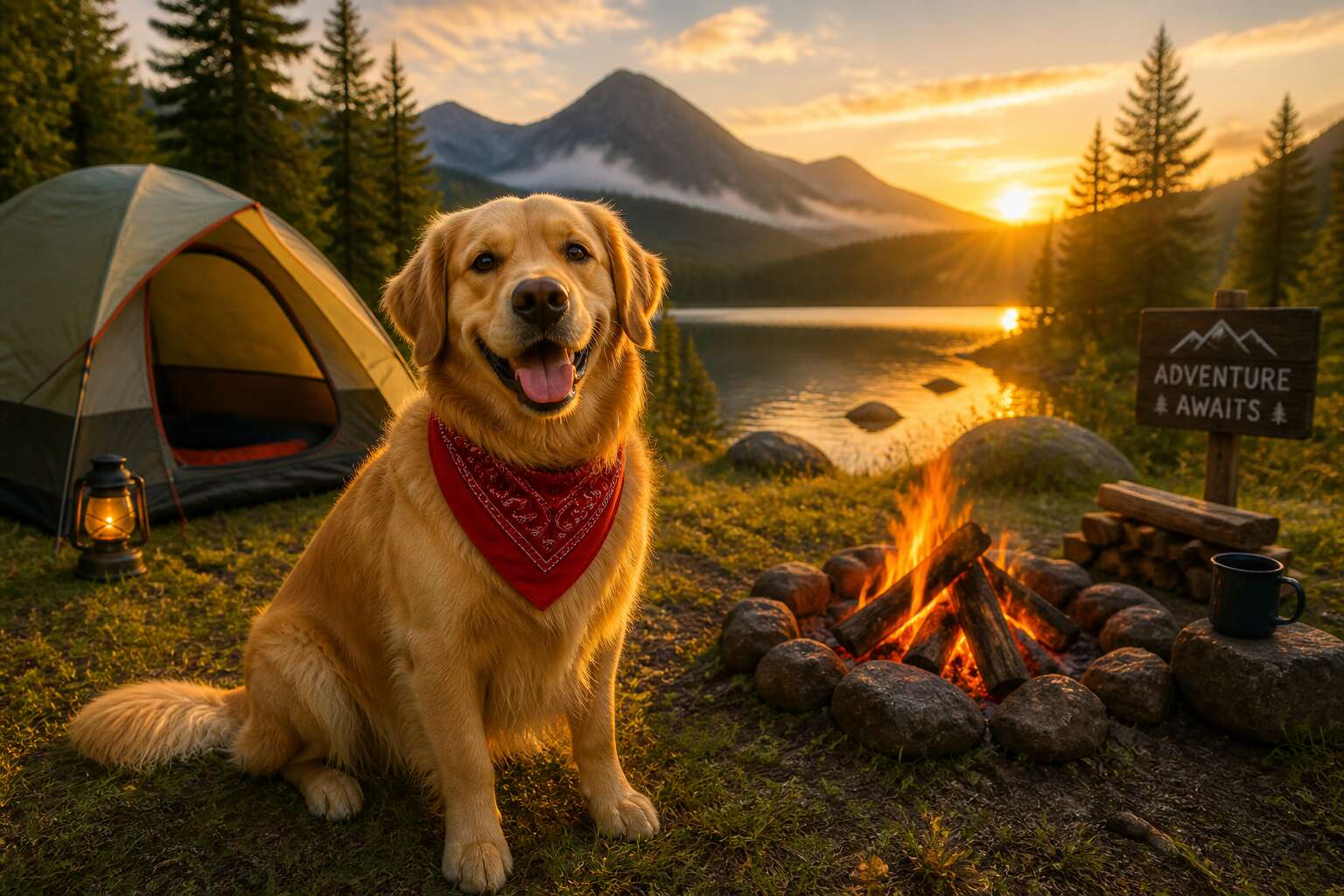
What Makes a Campground Dog Friendly
Amenities That Cater to Canines
A genuinely dog friendly site does more than tolerate your hound. The best camping grounds dog friendly in South Africa install dedicated off-leash paddocks where your dog can tear around without colliding with a stranger’s tent pegs. Some even provide shaded rest platforms and raised beds, so your dog avoids baking on the Karoo gravel or shivering through a damp Cederberg night.
Look for amenities that signal real canine consideration:
- Secure perimeter fencing with double gate entry systems
- Dog wash stations with warm water near the ablution blocks
- On site bins stocked with biodegradable poop bags
- Marked walking trails that clearly indicate where dogs are allowed
Water points spaced at regular intervals prevent dehydration during a long afternoon ramble. The truly exceptional camping grounds dog friendly also keep a pet first aid kit at reception and a printed list of nearby veterinarians, a lifeline when you are hours from the nearest town.
Pet Policies and Leash Rules
A leash is the single most important safety tool at any campsite. The best camping grounds dog friendly enforce clear pet policies without ambiguity. Most require a two metre lead at all times. This keeps your dog from bolting after a porcupine or challenging a neighbouring boerboel. Some locations mandate strict quiet hours. Others forbid dogs near the swimming area. A few ask you to crate your dog while showering. Common rules across these grounds include:
- Keeping dogs on a lead no longer than two metres
- Restricting dogs from designated family zones
- Showing proof of current tick and worm treatment
- Disposing of waste only in sealed, scented bins
Staff at genuinely dog friendly sites communicate these rules at booking. They repeat them at the gate. They enforce them with patience, not aggression. The result is predictable: fewer accidents, calmer dogs, and less tension between campers. Read the policies before you pay. If a site cannot state its rules clearly, you are gambling with your dog’s comfort.
Understanding Pet Fees and Deposits
In a country where over 33% of households share their lives with dogs, the measure of a camping grounds dog friendly extends far beyond a mere tolerance for four paws. It is an atmosphere, a scent in the pine air, that whispers of understanding. The truest sign is not a fancy agility course, but the quiet absence of judgement when your hound howls at a distant jackal, or the way staff greet your companion by name, offering a bowl of fresh water without being asked. It is the subtle knowledge that here, the wilderness is for both of you.
Understanding pet fees and deposits, however, requires a clear eye. This is the financial contract between you and the wild. Some sites charge a nominal daily rate, a token for the privilege of shared space. Others demand a refundable deposit, a wager against the risk of scratched table legs or disturbed neighbours. The policy often reflects the site’s own experience with chaos.
– A deposit refundable upon inspection suggests confidence in your control.
– A non-refundable cleaning fee signals the cost of their deep-cleaning protocols.
– A waiver of fees altogether often hides higher base rates.
These figures are not arbitrary; they are the price of peace. Negotiate, ask for a breakdown, and know that the cheapest camping grounds dog friendly are not always the most accommodating. A steep deposit can be the fortress that guarantees a serene stay. It is a gamble, a silent promise between you, your dog, and the custodians of the land.
Top Features to Look For in a Pet-Welcoming Campsite
Fenced Areas and Off-Leash Zones
When you search for camping grounds dog friendly, the presence of a true fenced area determines whether you sleep soundly or stay alert all night. A dog that cannot be trusted off lead needs a defined space to stretch its legs. Some campsites offer dedicated enclosures with secure latches and buried fencing. These deserve your attention.
An off-leash zone differs from a mere patch of grass. It should have clear boundaries, varied terrain, and enough room to hold a curious hound’s interest. I always inspect the gate mechanism first. A self-closing gate is a structural detail with real consequences.
Consider these markers of a quality off-leash space:
- Double-gated entry points
- Shaded perimeter areas
- Visible boundary markers
The finest dog friendly campsites allow your companion to roam freely while you remain at ease nearby. That is the true value of a well designed off-leash zone.
Nearby Dog Hiking Trails
A pet welcoming campsite earns its keep when dog hiking trails lie just beyond the tent row. I measure the distance by paw, not by odometer. A trail that loops back to the site reduces pre hike anxiety. The best camping grounds dog friendly position their pitches along established tracks that offer varied elevations and intermittent stream crossings.
Inspect the trailhead for thoughtful extras. A waste bag dispenser signals attentiveness. A shaded rest area with a water trough for dogs indicates trail maintenance. These small markers reveal whether the management understands canine needs.
- Trail difficulty ratings printed on the campsite map
- Signage indicating wildlife activity at dawn and dusk
- Benches placed at intervals where you can sit while your dog explores
Each feature contributes to a seamless morning to evening rhythm.
Water Access for Swimming Pups
A golden retriever will choose a river over a treat every time. That preference is why water access makes or breaks a stay. In camping grounds dog friendly, the finest swimming spots cater to canine instincts without demanding human heroics.
I look for a gradual bank, sand or fine gravel, where a pup can wade, paddle, then plunge. A sudden drop sends anxious dogs straight back to the car. Shallow bays with visible entry and exit points invite repeated laps.
- A slow current for tired swimmers
- Emergent reeds or logs that offer natural rest stops
- Water that does not stain fur brown or green
These markers separate a mere wet patch from a true splashing paradise!
Shade and Shelter Considerations
Shade, unlike other comforts, is non-negotiable for a dog in the South African bushveld. A campsite with only midday sun will leave a golden retriever exhausted by two o’clock. When scouting camping grounds dog friendly, I check the tree canopy before I even look at the tent pad. Dense acacia or combretum cover offers dappled rest spots, while a single palm provides only a shifting shadow.
Shelter must also account for rain and wind. I look for these basic protections:
- A thick hedge or stone wall that blocks prevailing gusts
- A raised, open-sided canopy that lets air move while keeping rain off
- A patch of kikuyu grass that drains quickly instead of turning to mud
A dry, shady spot under a low branch gives a dog a place to recover before dinner. In camping grounds dog friendly, the ideal site provides all three without crowding the tent.
Waste Disposal Stations
Waste disposal stations separate a decent campsite from a ragged one. For dog owners, a missing bin station means bagged waste rides home in the boot, growing worse by the hour. I have walked the grass verges of many South African campsites. Those verges reveal the management’s true quality.
The best camping grounds dog friendly place stations at strategic intervals instead of grouping them near the ablution block. A good setup includes:
- Bag dispensers that stay stocked through the whole weekend
- Sealed bins with lids that keep flies out
- A clear sign pointing to the next station along the path
Distance matters. A station two hundred metres from your tent is useless at 5 a.m. when coffee has not taken hold. Place bins near pathways and communal areas. Some grounds offer biodegradable sacks, which suit bushveld etiquette better than plastic. A well provisioned camping grounds dog friendly treats waste management as a health measure, not an afterthought. What a relief that is!
How to Prepare Your Dog for a Camping Trip
Vet Checkups and Vaccinations
A happy bark at the front door does not mean your dog is ready for a week in the bush. Before you and your dog head to camping grounds dog friendly, a visit to the vet should top your checklist. A thorough examination confirms your companion is fit for the long drive and the change in routine. In South Africa, tick-borne diseases pose a real risk, so vaccinations and parasite preventatives are non-negotiable. Ask your vet to confirm a few key items:
- Core vaccinations are up to date
- Flea, tick, and worming treatments are current
- A health certificate if you are crossing provincial borders
Your vet knows your dog’s history, so use this time to discuss any concerns. I always ask about the specific risks for the region we are visiting!
Packing a Canine Camping Kit
Packing for your dog demands more forethought than tossing in a spare towel. A thirsty wanderer on a hot Karoo trail needs water, but a snapped lead or a forgotten tick remover can unravel the entire trip. I assemble my kit as if for a small expedition, checking every buckle and seal before we set off.
- A collapsible water bowl and extra bottles for those long, dry stretches
- A spare lead and a harness that won’t chafe under a heavy pack
- Wound spray and a field bandage, because thorns and rocks don’t wait for you to be ready
- A familiar blanket to anchor your dog’s sleep in unfamiliar ground
Double check the kit before you leave. One forgotten item can turn a pleasant stay at camping grounds dog friendly into a stressful scramble for supplies!
Training for Campsite Etiquette
Eight out of ten dogs believe the campsite is their personal area. The other two are asleep, but not for long. Training for campsite etiquette starts at home. Teach a solid “leave it” command before you load the roof rack. Practice loose lead walking in busy spaces, so a passing mountain biker does not trigger a lunge.
Socialise your pup around unfamiliar scents and sounds, from barking dogs to clanging pots. A tired dog is a polite dog, so increase exercise daily for a week beforehand. One experienced camper uses a three part drill: walk, sniff, settle. That order keeps her boerboel from disruptive behaviour at dusk. Remember, camping grounds dog friendly operate on mutual respect. Your dog’s freedom depends on manners, and manners require rehearsal.
Getting Your Dog Used to Tent Life
A tent is not instinctive shelter for a dog. The nylon walls move with wind, the floor crinkles, and the air smells of plastic and earth. Before you trust a high strung companion near a campsite, let the tent become mundane. Set it up in your lounge or garden a full week ahead. Prop the door open, toss treats inside, and allow curiosity to lead. Feed your dog meals near the entrance, then inside the vestibule. That builds a positive association without pressure.
Keep sessions short. A bored dog will not learn. Use a calm tone and reward every settled sit. If your pup panics, zip the inner door and sit beside them while reading aloud. The goal is neutrality, not excitement. Many camping grounds dog friendly allow pre trip practice runs. Book a night and sleep on the ground with your dog. That single night of shared novelty builds trust.
Some owners use a checklist: a familiar blanket, a chew toy, a worn t shirt. These scents anchor the unfamiliar space. With patience, the tent becomes a den. Camping grounds dog friendly often provide quieter corners for this adjustment, so ask at check in. The effort pays off when your dog curls up on the sleeping bag instead of scratching at the zip all night.
Tips for a Harmonious Camping Experience With Your Dog
Keeping Your Dog Quiet at Night
The vespertine chorus swells at dusk, and your dog’s sudden bark shatters the calm. Keeping that hush requires more than a pat on the head. Most nocturnal outbursts trace to novel scents and unspent energy. A brisk walk before bed, a familiar sleeping pad, and a quiet chew can anchor your pup.
- Position the tent away from pathways
- Cover the crate with a breathable sheet
- Mimic a heartbeat with a ticking clock
When you select camping grounds dog friendly, the entire site shares your night. A tired dog with a full belly rarely howls at shadows. Your own calm respiration becomes the rhythm they trust. Crickets resume their song, and sleep returns.
Managing Wildlife Encounters
At a South African campsite, the bushveld telegraph carries word of a resident baboon troop. They move through the trees with a confidence that unsettles first timers. Your city bred dog may not read their signals. In camping grounds dog friendly, such encounters become part of the bargain. A steady posture and a firm grip on the collar speak louder than shouting. Baboons respect a human who does not flinch.
Watch the ground for telltale indicators of recent animal traffic:
- Toppled dustbins and scattered rinds
- Fresh diggings at the base of acacia trees
- A sudden pause in bird song
A porcupine waddle across the lantern light should end with you holding your dog steady, not a pursuit. Nearly every wildlife clash traces to curiosity or hunger, so a replete pup is a quiet pup. The best camping grounds dog friendly post an etiquette board near the ablution block, listing which species roam that season. Give it a read before sunset, and you will know what to expect.
Socializing With Other Campers and Dogs
Camping grounds dog friendly operate on a peculiar social physics all their own. Within an hour of pitching your tent, you will know the names of three other dogs, the dietary restrictions of a fourth, and the sleeping habits of a fifth. This happens without you asking. The campfire circle becomes a therapy group for owners who just watched their Lab roll in something unspeakable. It is the shared vocabulary of paw prints and slobber that bonds strangers faster than any braai conversation.
The first meeting between unfamiliar dogs is a tense negotiation. Keep it that way. A relaxed body posture and a short, loose leash give each animal room to make their own introductions. Let them sniff, circle, maybe engage in a polite chase. When a child runs past with a ball or a toddler drops a sandwich, that is when the truce breaks. Intervene before the biscuit hits the floor.
Here are a few golden rules for campfire diplomacy:
– Always ask the other owner before allowing a greeting. Most will appreciate the courtesy.
– Keep treat giving to your own dog only. Another dog’s dietary needs are not your business, even if those puppy eyes insist otherwise.
– If either dog stiffens, growls, or goes still, separate them instantly. A mutual walk together often works better than repeated face to face meetings.
The true beauty of camping grounds dog friendly is the collective relief when you find another owner who also brought a crate, a first aid kit, and a healthy respect for quiet hours. Trade stories, share a beer, and watch the dogs reconcile their differences over a shared stick. This is the community that brings you back, not just the scenery. When your dog finally flops down, exhausted and content from a day of new friendships, you will understand the real reason you came.
Clean Up and Leave No Trace Principles
Leaving a campsite pristine is the responsibility each dog owner carries when entering a camping grounds dog friendly space. Your dog’s waste is your responsibility, even when it lands in the undergrowth. Biodegradable bags only decompose under specific conditions, so pack them out when in doubt. A small trowel handles solid waste in rocky terrain where bags tear. A sealed container for used bags prevents odours until you reach a disposal bin.
Seasoned campers carry three items that make this routine simpler:
- Reusable gloves for quick pickups
- A carabiner to clip bags to a pack
- Unscented wipes for paw cleaning before tent entry
Water sources need extra attention. In my experience, canine waste near streams contaminates shared supplies faster than most campers expect. Established Leave No Trace practice positions camps at least 60 metres from water and buries waste deep, away from root systems.
Regional Dog Friendly Camping Destinations
Best West Coast Campgrounds for Dogs
The West Coast of South Africa offers some of the most rewarding camping grounds dog friendly along the Atlantic. The region’s long beaches and open fynbos give dogs room to stretch, but you still need to choose your base carefully. Spring winds shape daily routines, so a sheltered pitch matters as much as a good view.
Proven options include:
- Paternoster Halt, near the fishing village, puts you a five minute walk from the harbour and its daily catch.
- Langebaan Lagoon Caravan Park, on the water’s edge, lets you watch cormorants dry their wings while your dog patrols the bank.
- Elands Bay Campsite, further north, offers midweek quiet with only the surf and a few dassies as company.
Each site enforces its own rules, so confirm before arrival. These camping grounds dog friendly along the West Coast reward flexible planning and a tolerance for wind.
Dog Friendly Camping in the Northeast
In the northeastern escarpment, camping grounds dog friendly are scarce but rewarding. A recent park survey reported that 71% of visitors to Mpumalanga bring their canine companions along. Those misty mornings on the Drakensberg foothills offer a slower, more deliberate rhythm than the coastal wind.
Choose a base such as Cathedral Peak or Bushwillow Caravan Park. These sites permit dogs on lead, with direct access to grassland paths and clear mountain streams. Verify your water points before arrival, because summer thunderstorms reshape the terrain quickly.
Some reliable stops include:
– Sterkfontein Dam Reserve, where open ridges invite steady roaming.
– Clarens Village Nature Reserve, which offers fenced sites near sandstone cliffs.
– Golden Gate Highlands, shaded but strict on leash hours.
Each spot carries its own seasonal quirks. For the northeastern camper, flexibility with altitude and rain ratios matters more than proximity to towns.
Mountain Retreats for You and Your Pup
My experience with mountain retreats has shown that plans matter less than the walk itself. I have driven hours to reach a mountain campground and found that walking becomes the only thing that matters. My dog’s ears twitch toward distant thunder long before I notice the thesky. These moments justifythe search for camping grounds dog friendly in this region.
Along the Drakensberg foothills, the retreats differ in character. Some sit low in grassy basins where wind gathers speed. Others cling to high ledges with no shade but a view worththe climb. What unifies them is a demand for full attention. You cannot camp here while you remain distracted. You must watchthe ground, listen for the river, and accept that your dog will notice things you never see. That acceptance, I have found, becomes the reward of the trip.
Desert Camping With Your Dog
In the Karoo, the desert demands a different rhythm. The heat erases scent trails by midday, so your dog’s nose works harder in the early hours. I have found that camping grounds dog friendly in this region sit near dry riverbeds, where shade arrives late. The ground cracks underfoot, and water becomes a precious cargo.
These sites have their own character:
- Open expanses with no canopy
- Nighttime temperatures that drop sharply
- Quiet that presses against the ears
Your dog will notice the stillness first. You will learn to read the sky and the ground together, which is the true gift of desert camping.
Lakeside Camping Spots for Dogs
The clatter of a heron’s call replaced the desert stillness when I moved our camp north. Lakeside camping grounds dog friendly in places like Mpumalanga’s dam reservoirs offer a different contract with the land. Water levels drop in winter, exposing mud flats that hold moisture well into the afternoon. Your dog will find the scent map here is layered, not erased.
Some sites sit on red clay shores that dry into dust; others have grassy verges that slope into shallows. The wind picks up after noon, so plan around that.
- Coves that block the wind
- Rocky points where dogs scramble
- Reed beds that hide frogs
Each lakeside camping ground demands you watch the bank edge, since the ground can give way without warning.



0 Comments