Understanding the Park’s Unique Camping Environment
A UNESCO World Heritage Landscape
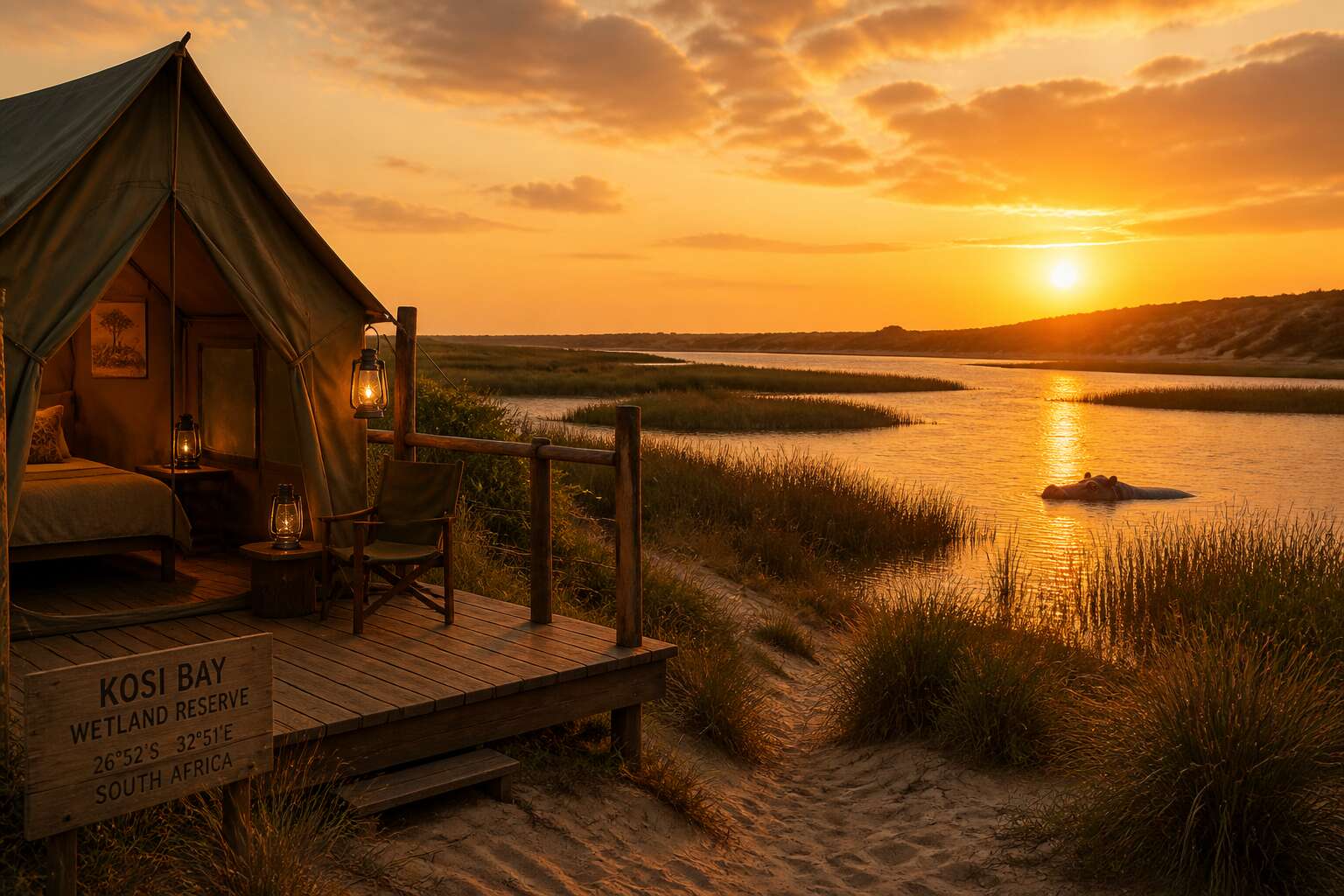
Somewhere in this 332,000 hectare reserve, hippos grunt while surf breaks against an ancient dune system. The campgrounds iSimangaliso Wetland Park contains sit within a rare junction of eight distinct ecosystems, a combination that earned this stretch of KwaZulu-Natal its World Heritage listing in 1999.
That listing carries weight. It shapes every night you spend in a tent here. Park management follows strict conservation protocols, so campfires are often prohibited and wildlife moves freely near your pitch. The reserve grants you access, not dominance. Campgrounds iSimangaliso Wetland Park provides vary from coastal dunes to lake shores.
- Nocturnal animals cross campsites, so secure all food and scented items.
- Coastal campgrounds face strong salt winds, so bring robust pegs and a sealed tent.
- Water sources attract game at dawn, making early mornings prime viewing.
The environment is brutally honest. Break its rules and it reminds you why they exist.
The Diverse Ecosystems and Campsites
Eight ecosystems converge here, yet fewer than a dozen campsites exist. That scarcity is deliberate. Campgrounds iSimangaliso Wetland Park offers are scattered across forested lake shores and grassy dunes, each pitch carrying a distinct signature: salt wind on your tent, frog choruses after dusk, hard sand underfoot. I have camped through a southerly gale that rearranged the beach overnight, a reminder that this landscape refuses to be static!
Choice demands observation. Eastern sites face sea winds and surf booms; western lake sites offer sheltered water and nocturnal murmurs. Campgrounds iSimangaliso Wetland Park maintains these places rough, with minimal lighting and no permanent structures that would alter the habitat. You are not a resort guest but a temporary resident in a system that thrives on change, so sleep lightly. The park keeps score.
Seasonal Considerations for Campers
The best time to pitch depends on which season you want to court. Summer, from November to February, arrives with humidity, thunderheads, and mosquitoes; winter, from May to August, brings mild days, crisp nights, and fewer biting insects. Each season shifts the experience at Campgrounds iSimangaliso Wetland Park.
- Winter nights can drop below 10°C, so pack a warm sleeping bag.
- Summer storms often roll in by late afternoon; peg down your tent.
- Spring and autumn offer calm winds and lower humidity.
The coast changes with the weather, too. Sedge moves, sandbars shift, and the daily rhythm of tide stays stubborn. Campgrounds iSimangaliso Wetland Park camps are exposed to these rhythms, so adapt your gear and expectations.
Permits and Booking Essentials
Spanning 3,280 square kilometres of protected wilderness, this UNESCO site demands respect before you even unpack the tent. Securing a permit is not a formality, it is the key that unlocks access to the park’s guarded shores and forested dunes. The booking system operates on a first come, first served basis, and during school holidays, sites vanish within hours of release. You will need to provide your vehicle details, intended entry gate, and specific dates when making a reservation.
Campgrounds iSimangaliso Wetland Park operate on a strict permit system that validates your stay and grants access to the broader reserve. Park officials have been known to turn away travellers without confirmed documentation, even when sites appear vacant. The online portal, managed by Ezemvelo KZN Wildlife, is the only official channel for securing your spot.
- Create a profile and verify your identity documents
- Select your preferred campsite from the interactive map
- Pay the full fee upfront, as no deposits are accepted
- Print your confirmation and keep it with your ID at all times
Arriving without a reservation is a gamble that rarely pays off. The reception offices at each camp operate on limited hours, and the staff manage a waiting list that prioritises existing bookings. I have watched hopeful campers drive hours only to be redirected to nearby towns for alternative accommodation. The permit fee covers your site, but note that conservation levies are charged separately per person. These funds feed directly into rhino protection and wetland rehabilitation programmes, which makes the cost easier to swallow. Plan your booking at least three months ahead, and treat the confirmation email as the most important document in your travel bag.
Top-Rated Campgrounds within the Park
Main Camp at Cape Vidal
Cape Vidal’s Main Camp is the heart of Campgrounds iSimangaliso Wetland Park. The campsites sit tucked between forested dunes and the Indian Ocean, a setting that hums with birdlife from first light. I have spent countless mornings here watching the sun burn off the mist over Lake Bhangazi.
The camp keeps things simple, which is exactly its appeal:
- Shaded stands with communal braai areas
- Hot water in the ablution blocks
- A small shop for ice and basic groceries
Nyala move through the camp at dusk, unhurried and unbothered. Families claim the shoreline early, while anglers cast into the surf for shad and grunter. Spring tide mornings bring mullet to the shallows. This place rewards patience.
Sodwana Bay National Park Camping
Sodwana Bay runs on a different rhythm. The Campgrounds iSimangaliso Wetland Park network here is arranged for practical people, not romantics. Divers pay for the proximity to the launch site. Anglers pay for the flat, sheltered stands near the beach. I spent three nights here during the sardine run, and the place buzzed with a strange mix of adrenaline and exhaustion.
The facilities are no frills:
- Shaded stands with picnic tables
- Communal kitchen shelters
- Reliable ablution blocks
Sodwana Bay National Park Camping sits right at the edge of some of the world’s southernmost coral reefs. The dive boats queue up before sunrise, and the water is warm enough for long days out! Campgrounds iSimangaliso Wetland Park stock goes fast during school holidays. The night noises here come from bushbabies and the distant crash of the swell, a different soundtrack from Cape Vidal’s shore birds.
Rocks Drift Camp
Rocks Drift Camp is the wildest of the Campgrounds iSimangaliso Wetland Park sites. It rests on the western shore of Lake St Lucia, reached by a rough sandy track. I arrived to find only reedbucks and a chorus of frogs. There is no power, no phone signal, and no water taps. You bring everything yourself.
The camp offers four raised wooden platforms, each with a thatched roof. A communal kitchen and long drop toilets complete the setup. The quiet here is profound, broken only by the splash of a hippo or the call of a fish eagle.
- Night drives reveal chameleons and genets
- Hiking trails lead through coastal forest to hidden pans
- Dawn paddles on the lake surface reward with kingfishers
This is camping stripped to its essentials, where the wilderness demands your full attention.
Lake Sibaya Camping Sites
Lake Sibaya is South Africa’s largest freshwater lake, yet the Campgrounds iSimangaliso Wetland Park sites along its shore see few visitors. The approach is a long sandy track that filters out the casual camper.
The campsites are plain, a patch of sand and a pit toilet, but that simplicity is the attraction. You fetch water from the lake for washing and boil it for drinking. Hippos snort in the shallows at dusk.
I floated alone on the lake surface one afternoon, the water so clear I could see fish drifting beneath me. Sandbanks stretch far offshore, making swimming easy and safe during daylight. Fishermen in dugout canoes sometimes pass, waving silently.
Each year, fewer than a few hundred campers make it here. That is the appeal. Among all the Campgrounds iSimangaliso Wetland Park has to offer, Lake Sibaya asks the most and gives the most in return.
Ozabeni Camp
Ozakbeni Camp might be the least famous of the bunch, but among the Campgrounds iSimangaliso Wetland Park, it earns top marks for pure solitude. You get there via a sandy track that tests your nerve and your vehicle’s clearance. The reward is a grassy bank next to the Mkhuze River, with hippos snorting on the far side. The facilities are basic: a pit toilet, a bucket shower, anda fire ring. That is the entire resort.
I pulled in after dark, guided by a single lantern. The silence swallowed me whole. By morning, I understood why regulars keep returning. The birdlife is ridiculous, from fish eagles to lilac-breasted rollers. Bring your own water, firewood, and a sense of adventure.
- Permit required for overnight stays
- No electricity or cell reception
- Crocodiles present, keep a distance
Essential Facilities and Amenities at Campsites
Sanitation and Shower Blocks
Nothing separates the seasoned bush camper from the novice faster than the phrase “shower block.” At Campgrounds iSimangaliso Wetland Park, these structures range from immaculate to merely functional, and the difference often comes down to which site you choose. I once waited twenty minutes for a lukewarm trickle at one spot, only to find scalding pressure at the next.
Most ablution facilities provide the basics:
- Flush toilets and chemical disposal points
- Cold and occasionally hot showers
- Washing basins with mirrors
Carry your own toilet paper. Park staff keep things clean, but supplies run thin during peak season. Sanitation standards are generally solid, though the occasional frog in the drain should not shock you.
Cooking Equipment and Braai Areas
There is a particular ritual to cooking at Campgrounds iSimangaliso Wetland Park. The braai stands are blackened by decades of flame. You need your own grid and utensils. The park does not provide them.
Most sites offer a cement braai or a raised drum. Bring your own firewood; gathering wood is forbidden, and charcoal only takes you so far. The salt air corrodes anything left out overnight, so keep your gear sealed.
- Own braai grid or potjie pot
- Firelighters, since damp wood is common
- Heavy duty tongs
- Gas burner as backup
Communal kitchens, where they exist, are sparse. A sink, a counter, sometimes a two plate stove. No kettle, no toaster. Campers who arrive prepared eat well. Those who do not learn patience.
Electricity and Power Supply
The only guaranteed charge at Campgrounds iSimangaliso Wetland Park is the one you bring yourself. Most campsites offer a single 220V point near the ablution block, and that point is often occupied by someone drying a wetsuit over a kettle. You will compete with caravans, fridges, and the occasional desperate phone. Power supply fluctuates with the weather and the phase of the moon, or so it seems. Load shedding, you understand.
- Bring a three plug extension cord.
- Carry a 12V inverter for your car battery.
- Expect no night lighting beyond your own lamp.
So come prepared with a solar panel or a power bank the size of a small brick. The grid at Campgrounds iSimangaliso Wetland Park is not designed for modern glamping. You are here for the wilderness, not for a charging station.
Clean Water and Ice Availability
The water running from the taps at Campgrounds iSimangaliso Wetland Park is safe to drink, but it carries the taste of the earth itself. Most sites draw from boreholes, and the mineral tang can surprise. Boiling does not remove that flavour, so many campers bring their own jugs. Ice remains a rare commodity. The small shops at St Lucia and near Cape Vidal sell bags, but supply runs out by midday.
Consider these points before you arrive:
- Fill your cooler at the last town, not the camp tap!
- Freeze water bottles to double as ice blocks.
- Ask at reception for the day’s ice delivery schedule.
The ablution blocks provide potable water, but the pressure drops when every caravan rinses sandy dishes at once. The Campgrounds iSimangaliso Wetland Park management treats the supply, yet I would filter anything you plan to drink for days on end.
Wildlife and Safety Guidelines for Campers
Coexisting with Hippos and Crocodiles
Among African mammals, hippos kill the most people annually. Campgrounds iSimangaliso Wetland Park places you right beside their territory and that of the Nile crocodile. Coexistence demands vigilance, not fear!
Never pitch your tent between a hippo and the water. These nocturnal grazers follow ancient paths from the lakes to the bush. Camp on high ground and keep torch beams low. Crocodiles remain motionless and camouflaged, so avoid water edges completely. Wildlife safety rests on reading animal behavior. A hippo yawning is a threat, not a smile.
- Stay thirty meters back from both species.
- Listen for snorting after sunset.
- Never walk alone to ablution blocks.
Proximity to Big Game Species
The bush around the Campgrounds iSimangaliso Wetland Park holds more than hippos. Elephant herds wander the dunes. Buffalo move through the thicket. These animals own the ground you borrow.
Keep your distance! Elephants charge when calves are near. Buffalo look calm until they are not. Watch the wind. They smell you long before you see them.
Simple habits keep everyone safe:
– Keep food sealed inside your vehicle.
– Walk only on marked paths with a companion.
– Carry a torch after dark.
Respect that wildness and the campground becomes something deeper. Space is the currency of safety out here. Patience is the price of admission.
Food Storage and Waste Management
Proper food storage keeps a campsite from becoming a place where animals learn to beg. At Campgrounds iSimangaliso Wetland Park, the aroma of a braai can attract curious monkeys and opportunistic mongooses within minutes. Keep all edibles sealed in coolers or inside your vehicle when not in use. Discard scraps into the animal-resistant bins placed near each stand.
Waste management demands equal rigor. Leftover bones and peels draw unwelcome visitors after dark. Use the central disposal points instead of scattering remnants into the bush. A clean patch of ground means fewer disturbances outside your tent.
Remember, a tidy camp is a quiet camp. These items also carry scents that invite attention:
- Spices and condiments
- Toothpaste and lip balm
- Pet food and bird seed
Empty containers still smell like previous meals. Secure everything at Campgrounds iSimangaliso Wetland Park, and the wildlife stays wild while you sleep soundly!
Nighttime Safety Protocols
Nightfall at Campgrounds iSimangaliso Wetland Park alters everything. The daytime birdcalls give way to rustles and grunts that are difficult to place. A torch becomes your most essential piece of kit. Keep it loaded with fresh batteries and positioned beside your mattress, because fumbling in the dark invites accidents.
Do not wander. Every trip to the washhouse or vehicle should be intentional and swift. Some campers feel emboldened by the moonlight, but shadows compress distances and hide obstacles. Use the main paths only, and scan the ground ahead with your beam.
- Confirm all tent openings are sealed before you sleep
- Place shoes inside the tent to prevent scorpion encounters
- Never leave a torch shining into the bush for long periods
These small disciplines keep visitors safe within Campgrounds iSimangaliso Wetland Park while granting the resident wildlife the nocturnal space they need.
Hazardous Marine Life at the Beaches
Beach access from Campgrounds iSimangaliso Wetland Park offers swimming and tidepool exploration, but the Indian Ocean hosts creatures that demand respect. Stonefish lie motionless in sandy shallows, their venomous spines concealed. Bluebottles wash ashore after northeasterly winds, their tentacles still capable of delivering a painful sting hours after stranding.
Adopt a shuffle when wading. This scuffing motion alerts stingrays buried in the sand and gives them time to move away. Never touch marine life, dead or alive. A washed-up jellyfish can retain toxicity. Red tide events occasionally close beaches, so check signage at camp offices.
- Shuffle feet in murky water
- Wear reef shoes over rocky areas
- Keep children within arm’s reach in surf zones
Rip currents pose a greater statistical threat than any animal. Swim only in designated areas where lifeguards patrol during peak seasons. The beach, like Campgrounds iSimangaliso Wetland Park itself, rewards visitors who observe rather than handle.
Planning Your Itinerary and Nearby Attractions
Combining Camping with Boat Safaris
One boat safari can reveal more life than a week on foot. From your tent at the campgrounds iSimangaliso Wetland Park, you can plan a dawn launch across Lake St Lucia, where hippos grunt and fish eagles cry. Afterward, break camp and drive to nearby attractions like the Catalina Bay trail or the seasonal turtle beaches. These sites sit minutes from the water, so you can combine a morning paddle with an afternoon ramble. The key is to book safari slots before setting up camp, ensuring you catch the calm early hours. A typical day shifts from water to land, and back again. The list below shows what fits easily nearby:
- St Lucia Estuary boat tours
- Cultural village visits at Dukuduku
- Bird hides along the Narrows
Hiking Trails and Self-Drive Routes
Planning an itinerary from the campgrounds iSimangaliso Wetland Park means matching trailhead hours with your own waking rhythm. I prefer to chart self-drive routes the night before, because gravel roads here hide potholes and antelope in equal measure. The Eastern Shores loop is a solid four-hour circuit, while the Mfabeni boardwalk takes only forty minutes.
I always carry water and a paper map, since phone reception vanishes near the dunes. Hiking trails vary from the boardwalk’s easy planks to the exposed coastal track at Mission Rocks. A morning walk followed by a slow drive to a hide works well.
Nearby attractions that fit into one day:
- Mission Rocks at low tide for rock pools
- uMkhuze’s Fig Forest walk for birders
- Catalina Bay via the self-drive ferry route
That route sequence rarely exceeds an hour between stops, so you can adjust as weather shifts.
Fishing Spots and Gear Rentals
Planning a day around the fishing spots often means synchronising with the tides rather than the clock. The shoreline at Cape Vidal offers a forgiving surf for novices, while the deeper channels near the estuary mouth demand more patience and a heavier sinker. For those staying at the Campgrounds iSimangaliso Wetland Park, the proximity to these waters is the primary advantage.
Gear rentals are available at the main reception hubs, but you must reserve rods and reels a day in advance. It is simpler to bring your own tackle for targeting grunter and perch, as the shop stock can be unpredictable.
1. Collect a fishing permit at the park gate before setting up camp.
2. Sort your tackle by target species, using smaller hooks for the surf zone.
3. Rent a cooler box if you plan to keep a catch for the evening braai.
4. Check the tide table posted at the camp office.
The quieter lagoons, such as those behind Lake Bhangazi, provide an alternative for fly fishing, but access requires a four-wheel-drive vehicle. Hiring a local guide for a half-day session costs more but shortens the learning curve for unfamiliar waters. The rhythm of a fishing day here is slow, punctuated by the hiss of the surf and the occasional cry of a fish eagle overhead.
Cultural Villages and Local Cuisine
Planning an itinerary around the Campgrounds iSimangaliso Wetland Park demands surrender to the landscape’s rhythms. The cultural villages scattered along the park’s periphery hold stories that predate the reserve’s boundaries. A guide from the local community leads visitors through homesteads where weaving and traditional food preparation remain unchanged by the decades.
The cuisine is a quiet revelation. A typical meal features umfino, a maize and spinach dish, served alongside grilled fish or stewed chicken. The flavours are earthy, direct, and derived from indigenous ingredients.
For those who prefer structure while exploring:
- Book a village tour at the Makhasa community, known for its beadwork and pottery.
- Arrange a lunch at a local family home through the park’s community liaison office.
- Visit the Hluhluwe area stalls for sugarcane juice and freshly baked bread.
These encounters offer a human counterpoint to the untamed wilderness, grounding the visitor in the living culture around the park.
Best Times to Book for Peak Season
The December influx of visitors is remarkable. Campgrounds iSimangaliso Wetland Park campsites at Cape Vidal and Sodwana Bay fill within a fortnight of reservations opening for the summer holiday. January is worse, and the booking office logs hundreds of enquiries daily by August.
An itinerary must respect the park’s scale. The sand road from Ozabeni to Cape Vidal consumes three hours. A morning launch on the estuary, an afternoon swim, and an evening braai form a complete day. The Crocodile Centre at St Lucia offers a brief air-conditioned interlude.
Booking windows cluster around the school calendar:
- December to mid-January, reserve six months ahead.
- Easter weekend, reserve three months ahead.
- July holidays, reserve two months ahead.
Visitors in May or September find a different park. The campsites empty, the air cools, and the days pass slowly.

0 Comments